
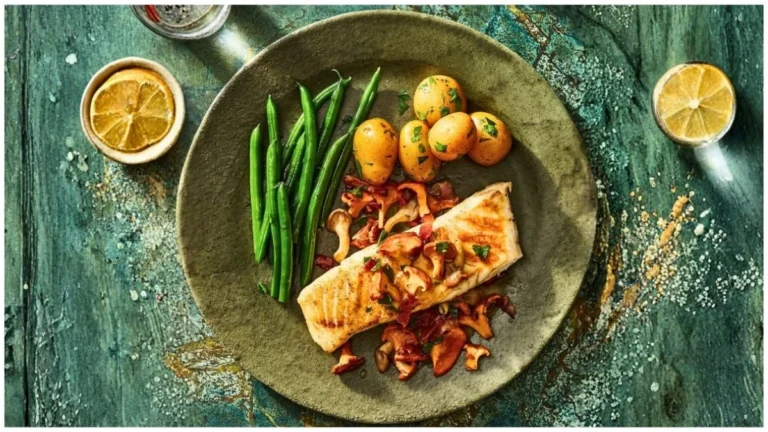

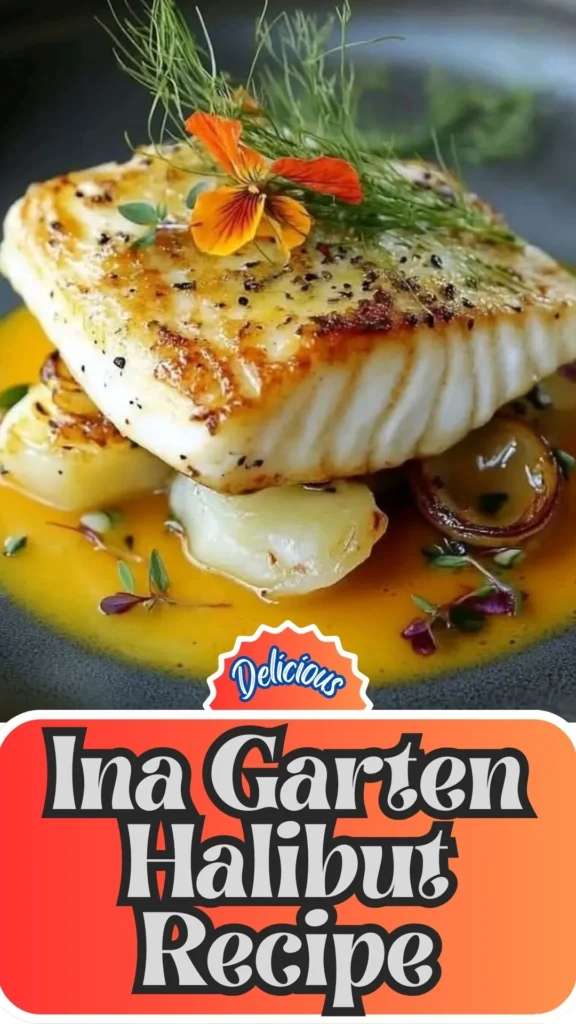
Cooking halibut the Barefoot Contessa way turns a simple fillet into an elegant seafood dish worth savoring.
This copycat Ina Garten halibut recipe brings restaurant-quality flavor to your kitchen through smart techniques and thoughtful ingredients. Proper pan-seared halibut creates a beautifully golden exterior, while a rich lemon dill butter sauce enhances the naturally mild, sweet taste of fresh halibut.
Perfect for both special gatherings and relaxed evenings, this easy halibut recipe baked or pan-seared delivers consistent results every time. Ina Garten’s method shows that the best halibut recipe relies on quality ingredients, balance, and confident cooking rather than complicated steps.
What Does It Taste Like?
This halibut recipe ina garten style showcases the fish’s naturally delicate, slightly sweet flavor with a firm yet tender texture.
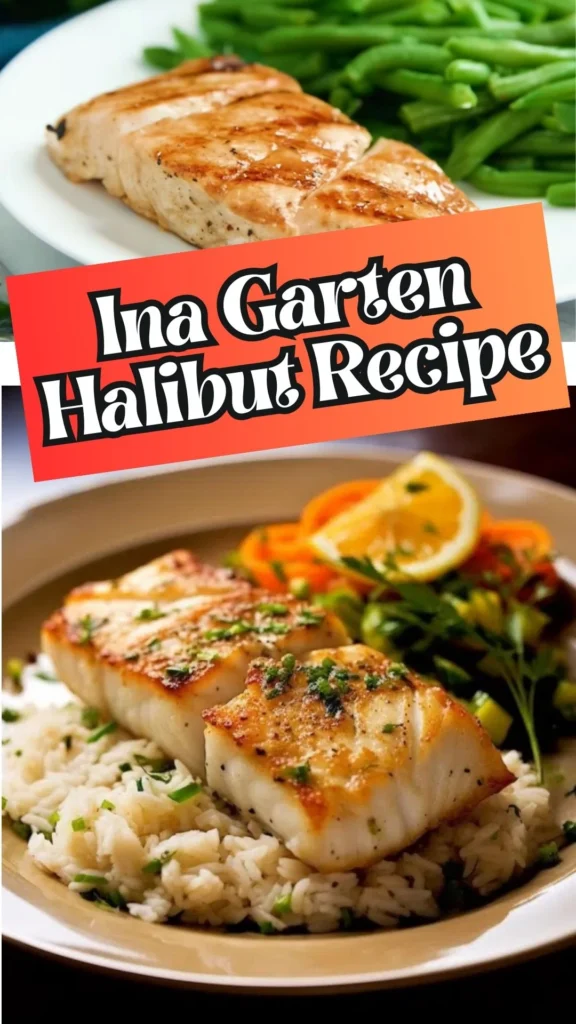
The perfectly seared exterior delivers a golden, buttery crust with subtle caramelization, while the interior remains moist and flaky. The lemon dill butter sauce adds bright citrus notes, herbal freshness from the dill, and aromatic depth from shallots and garlic.
Each bite balances richness from the butter with the clean, ocean-fresh taste of halibut. The white wine reduction contributes acidity and complexity, creating an elegant flavor profile that’s sophisticated yet approachable exactly what you’d expect from a barefoot contessa halibut preparation.
Ina Garten Halibut Recipe Ingredients
For the Halibut Base:
- 2 lb fresh skin-on halibut fillet (skin removed before cooking)
- Salt and freshly ground black pepper
- 2 Tbsp neutral oil (for each batch)
- 1 tsp unsalted butter (added to pan for each batch)
For the Lemon Dill Butter Sauce:
- ½ small shallot, finely minced
- 1 garlic clove, finely minced
- 1 Tbsp fresh dill, finely chopped (plus extra for garnish)
- ¼ cup dry white wine
- 5 Tbsp unsalted butter (1 Tbsp for cooking aromatics + 4 Tbsp for finishing sauce)
- Juice of ½ lemon
- Salt and freshly ground black pepper to taste
Kitchen Utensils Needed
- Large frying pan or skillet (stainless steel or cast iron preferred)
- Fish spatula or wide turner
- Sharp knife for removing skin
- Cutting board
- Small prep bowls
- Measuring spoons
- Citrus juicer or reamer
- Whisk or wooden spoon
Preparation and Cooking Time
- Prep Time: 10 minutes
- Cook Time: 15 minutes
- Total Time: 25 minutes
- Servings: 4 servings
Ina Garten Halibut Recipe Instructions
Step 1: Prepare the Halibut
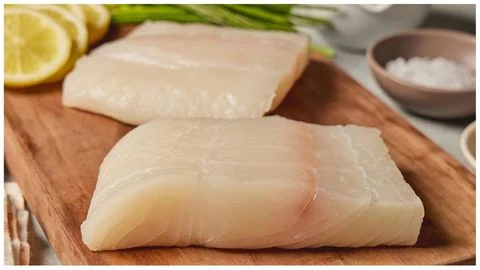
Remove the skin from the halibut fillet if not already done. Pat the fish completely dry with paper towels this is crucial for achieving a proper sear. Cut into 4 equal portions if needed.
Step 2: Season Generously
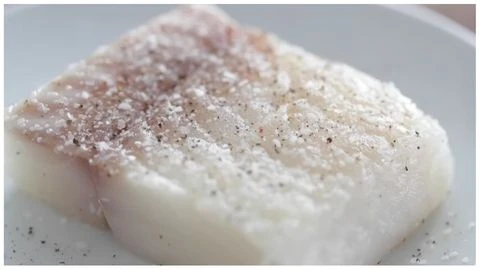
Season both sides of each halibut piece liberally with salt and freshly ground black pepper. Don’t be shy here proper seasoning is essential for flavor.
Step 3: Heat Your Pan
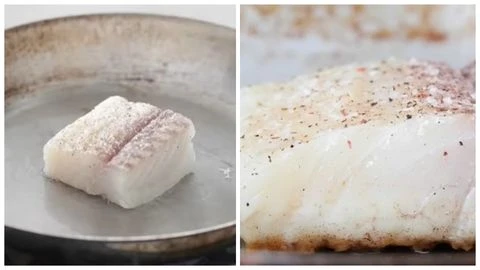
Place a large frying pan over high heat and let it get very hot, about 2-3 minutes. Add 2 tablespoons of neutral oil and heat until it just begins to lightly smoke.
Step 4: Sear the First Side
Carefully add the halibut pieces to the hot pan (work in batches if necessary to avoid crowding). Immediately reduce the heat to medium to medium-high. Add 1 teaspoon of unsalted butter to the pan. Let the fish sear undisturbed for 3 to 3½ minutes until a golden-brown crust forms on the bottom.
Step 5: Flip and Finish
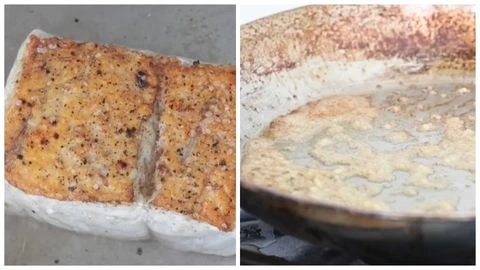
Using a fish spatula, carefully flip each piece of halibut. Sear the second side for another 3 to 3½ minutes until golden and the fish is just cooked through. The halibut should reach an internal temperature of 130-135°F. Remove from the pan and set aside on a warm plate.
Step 6: Start the Sauce
Pour off most of the oil from the pan, leaving just a thin coating. Return the pan to medium heat and add 1 tablespoon of butter. Once melted, add the minced shallot and garlic, stirring constantly for about 30 seconds until fragrant but not browned.
Step 7: Deglaze with Wine
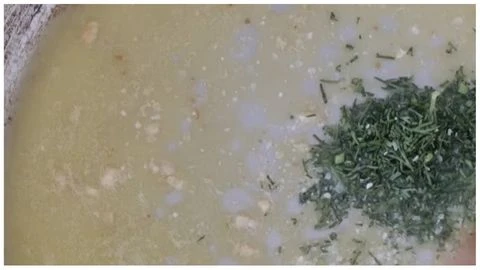
Pour in the white wine to deglaze the pan, scraping up any browned bits from the bottom. This is where tremendous flavor develops. Let the wine reduce until only 1-2 tablespoons of liquid remain, about 2-3 minutes.
Step 8: Build the Butter Sauce
Turn off the heat and let the pan sit for 1 minute to cool slightly. Add the 4 tablespoons of cold butter, swirling and whisking constantly until the sauce emulsifies into a smooth, glossy consistency. The residual heat will melt the butter without breaking the sauce.
Step 9: Finish and Serve
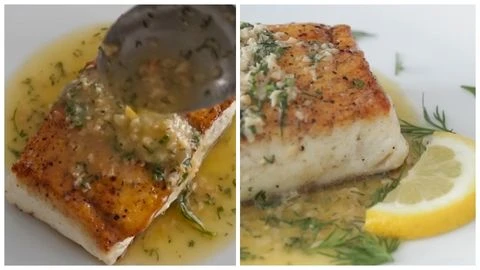
Stir in the chopped fresh dill and lemon juice. Taste and adjust seasoning with salt and pepper. Spoon the lemon dill butter sauce generously over the seared halibut. Garnish with extra fresh dill and lemon slices or wedges. Serve immediately while hot.
Customization and Pairing for Serving Ideas
1. Mediterranean Twist: Replace the dill with fresh basil and add halved cherry tomatoes and capers to the butter sauce. The briny, tangy elements complement halibut beautifully and create a lighter, summery variation perfect for warm-weather dining.
2. Asian-Inspired Glaze: Skip the butter sauce and instead brush the seared halibut with a mixture of soy sauce, honey, ginger, and sesame oil. Garnish with sliced scallions and toasted sesame seeds for an umami-rich preparation that pairs wonderfully with jasmine rice.
3. Herb-Crusted Variation: Before searing, press a mixture of panko breadcrumbs, parmesan, and chopped fresh herbs (parsley, thyme, chives) onto one side of the halibut. Sear crust-side down first for an elegant textural contrast that Ina would surely approve of.
4. Lemon Herb Delight: Pair halibut with Ina Garten Greek Orzo Salad and a drizzle of Greek salad dressing. Add fresh herbs, lemon zest, and roasted vegetables for a light, vibrant, restaurant-style meal experience.
5. Classic Pairing – Roasted Vegetables: Serve this cooking halibut masterpiece alongside roasted asparagus, baby potatoes, or Brussels sprouts. The earthy vegetables balance the rich butter sauce while the roasting method echoes the caramelization on the fish.
6. Light and Fresh Option: Pair with a simple arugula salad dressed in lemon vinaigrette, or serve over a bed of sautéed spinach with garlic. These lighter accompaniments let the halibut shine while adding nutritional balance to your plate.
7. Spicy Citrus Twist: Serve halibut alongside a small side of fermented habanero hot sauce for adventurous eaters. Balance spice with creamy mashed potatoes or orzo, and garnish with lime or fresh dill for perfect flavor contrast.
8. Starch Companions: Consider creamy mashed potatoes, wild rice pilaf, or buttery orzo pasta as your base. Each absorbs the delicious lemon dill sauce beautifully, ensuring not a drop of that liquid gold goes to waste.
9. Mediterranean Elegance: Complement halibut with Ina Garten Marinara Sauce lightly on the side or for dipping, paired with sautéed zucchini or roasted tomatoes. Enhance flavors with fresh basil, olive oil, and a sprinkle of parmesan.
10. Wine Pairing Perfection: A crisp Sauvignon Blanc, unoaked Chardonnay, or dry Riesling complements this dish exquisitely. The wine’s acidity cuts through the butter’s richness while harmonizing with the lemon and herbs perfect for a Barefoot Contessa-worthy dinner party.
Tips for Perfect Halibut Every Time
1. Dry is Key: The single most important tip when cooking halibut is ensuring the fish is completely dry before it hits the pan. Pat it thoroughly with paper towels and let it sit uncovered in the refrigerator for 30 minutes if you have time. Moisture is the enemy of a good sear and will cause the fish to steam rather than caramelize.
2. Room Temperature Matters: Remove your halibut from the refrigerator 15-20 minutes before cooking. Cold fish dropped into a hot pan will lower the temperature dramatically, preventing proper browning. Room-temperature fish sears evenly and cooks more uniformly throughout.
3. Don’t Skimp on Heat: This easy halibut recipe requires a properly preheated pan. High initial heat creates that gorgeous golden crust. Many home cooks don’t get their pans hot enough, resulting in fish that sticks and tears. You should see a slight shimmer or wisps of smoke from the oil before adding the halibut.
4. Hands Off!: Once you place the halibut in the pan, resist the urge to move, peek, or fiddle with it. The fish will naturally release from the pan once a proper crust has formed. Attempting to flip too early will tear the delicate flesh and ruin your presentation.
5. Use Quality Butter: Since butter is a star ingredient in this barefoot contessa halibut recipe, quality matters immensely. European-style butter with higher fat content creates a richer, more luxurious sauce. Cold butter, added off heat, is the secret to a properly emulsified pan sauce that won’t break.
6. Mind Your Timing: Halibut cooks quickly and can go from perfectly moist to dry in a matter of minutes. Use the “finger test” for doneness gently press the thickest part of the fillet. It should feel slightly firm but still have some give, similar to the flesh at the base of your thumb when your hand is relaxed. An instant-read thermometer should register 130-135°F.
7. Prep Your Mise en Place: The sauce comes together in under 3 minutes, so have everything prepped, measured, and ready before you start cooking. Mince your shallots and garlic, juice your lemon, chop your dill, and measure your butter. This professional approach, beloved by Ina herself, ensures smooth execution and prevents burned garlic or broken sauces.
Storage and Reheating Guidance
Store leftover cooked halibut in an airtight container in the refrigerator for up to 2 days. Reheat gently in a 275°F oven for 8-10 minutes until just warmed through, or enjoy cold flaked over salads. The butter sauce is best fresh but can be refrigerated separately and gently rewarmed over low heat.
Ina Garten Halibut Recipe
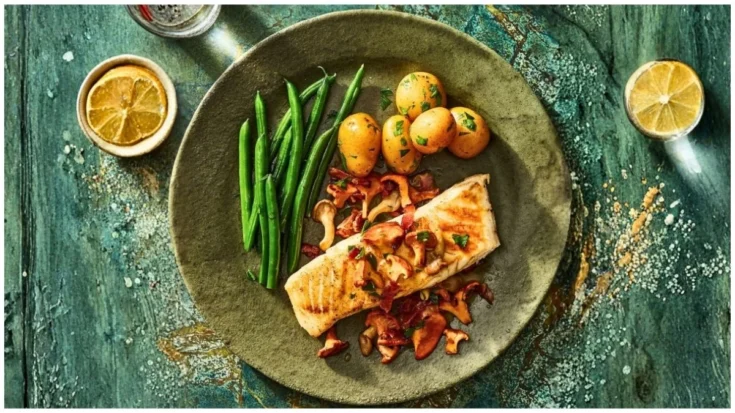
Cooking halibut the Barefoot Contessa way turns a simple fillet into an elegant seafood dish worth savoring. This copycat Ina Garten halibut recipe brings restaurant-quality flavor to your kitchen through smart techniques and thoughtful ingredients.
Ingredients
- 2 lb fresh skin-on halibut fillet, skin removed before cooking
- Salt and freshly ground black pepper
- 2 Tbsp neutral oil, for each batch
- 1 tsp unsalted butter, added to pan for each batch
- ½ small shallot, finely minced
- 1 garlic clove, finely minced
- 1 Tbsp fresh dill, finely chopped (plus extra for garnish)
- ¼ cup dry white wine
- 5 Tbsp unsalted butter, 1 Tbsp for cooking aromatics + 4 Tbsp for finishing sauce
- Juice of ½ lemon
- Salt and freshly ground black pepper to taste
Instructions
Step 1: Prepare the Halibut
Remove the skin from the halibut fillet if not already done. Pat the fish completely dry with paper towels this is crucial for achieving a proper sear. Cut into 4 equal portions if needed.Step 2: Season Generously
Season both sides of each halibut piece liberally with salt and freshly ground black pepper. Don’t be shy here proper seasoning is essential for flavor.Step 3: Heat Your Pan
Place a large frying pan over high heat and let it get very hot, about 2-3 minutes. Add 2 tablespoons of neutral oil and heat until it just begins to lightly smoke.Step 4: Sear the First Side
Carefully add the halibut pieces to the hot pan (work in batches if necessary to avoid crowding). Immediately reduce the heat to medium to medium-high. Add 1 teaspoon of unsalted butter to the pan. Let the fish sear undisturbed for 3 to 3½ minutes until a golden-brown crust forms on the bottom.Step 5: Flip and Finish
Using a fish spatula, carefully flip each piece of halibut. Sear the second side for another 3 to 3½ minutes until golden and the fish is just cooked through. The halibut should reach an internal temperature of 130-135°F. Remove from the pan and set aside on a warm plate.Step 6: Start the Sauce
Pour off most of the oil from the pan, leaving just a thin coating. Return the pan to medium heat and add 1 tablespoon of butter. Once melted, add the minced shallot and garlic, stirring constantly for about 30 seconds until fragrant but not browned.Step 7: Deglaze with Wine
Pour in the white wine to deglaze the pan, scraping up any browned bits from the bottom. This is where tremendous flavor develops. Let the wine reduce until only 1-2 tablespoons of liquid remain, about 2-3 minutes.Step 8: Build the Butter Sauce
Turn off the heat and let the pan sit for 1 minute to cool slightly. Add the 4 tablespoons of cold butter, swirling and whisking constantly until the sauce emulsifies into a smooth, glossy consistency. The residual heat will melt the butter without breaking the sauce.Step 9: Finish and Serve
Stir in the chopped fresh dill and lemon juice. Taste and adjust seasoning with salt and pepper. Spoon the lemon dill butter sauce generously over the seared halibut. Garnish with extra fresh dill and lemon slices or wedges. Serve immediately while hot.
Notes
Store leftover cooked halibut in an airtight container in the refrigerator for up to 2 days. Reheat gently in a 275°F oven for 8-10 minutes until just warmed through, or enjoy cold flaked over salads. The butter sauce is best fresh but can be refrigerated separately and gently rewarmed over low heat.
Nutrition Information:
Yield:
4Serving Size:
1Amount Per Serving: Calories: 150Unsaturated Fat: 0g
Common Queries and FAQs
Here, we’ve got you covered with some common questions about the Ina Garten Halibut Recipe that people often ask.
Can I use frozen halibut for this recipe?
Yes, but ensure it’s completely thawed and thoroughly dried before cooking. Thaw frozen halibut in the refrigerator overnight, never at room temperature. Frozen halibut often releases more moisture, so extra drying time is crucial. The quality won’t quite match fresh halibut, but the recipe will still work beautifully for an impressive weeknight meal.
What’s the best way to tell when halibut is done cooking?
Halibut is perfectly cooked when it reaches an internal temperature of 130-135°F and the flesh turns opaque and flakes easily with a fork. The center should still be slightly translucent when you remove it from heat, as carryover cooking will finish it. Overcooked halibut becomes dry and rubbery, so err on the side of slight undercooking.
Can I make this halibut recipe baked in the oven instead?
Absolutely! For a baked version, sear the halibut in an oven-safe skillet for 2 minutes on one side, flip, then transfer the entire pan to a preheated 400°F oven for 6-8 minutes. This method works wonderfully when cooking for a crowd. You can make the butter sauce on the stovetop while the fish finishes in the oven.
Why does my halibut stick to the pan?
Sticking usually happens because the pan isn’t hot enough, the fish is too wet, or you’re trying to flip before a crust has formed. Ensure your pan is properly preheated, the fish is bone-dry, and you’re using enough oil. Once a proper sear develops, the fish naturally releases. A fish spatula’s thin, flexible edge also helps tremendously.
What can I substitute for halibut in this recipe?
Other firm, white fish work beautifully with this cooking method. Try cod, sea bass, grouper, or mahi-mahi. Adjust cooking times based on thickness thinner fillets will cook faster. Salmon also works wonderfully with the lemon dill sauce, though it has a stronger flavor profile than halibut’s delicate taste.
Do I have to use white wine in the sauce?
White wine adds acidity and depth, but you can substitute with dry vermouth (which Ina often uses) or a mixture of chicken stock and lemon juice. Avoid sweet wines or cooking wines, which will make the sauce cloying. The wine’s purpose is to deglaze and provide a flavor foundation for the butter.
How do I prevent the butter sauce from breaking?
The key is temperature control. Remove the pan from heat and let it cool for a full minute before adding cold butter. Add butter in pieces, swirling constantly. If the pan is too hot, the butter will separate into greasy pools instead of emulsifying. Working off-heat gives you complete control and prevents breaking.
Is it necessary to remove the skin from halibut?
For this particular barefoot contessa halibut preparation, yes. Halibut skin doesn’t crisp well like salmon skin and can become rubbery. It’s also quite thick and gelatinous. Most fishmongers will remove it for you upon request, or you can easily do it yourself with a sharp knife, working between the flesh and skin.
Can I make the lemon dill butter sauce ahead of time?
Butter sauces are best made fresh, as they can separate when refrigerated and reheated. However, you can prep all your ingredients in advance mince shallots and garlic, chop dill, juice lemons, and measure butter. With everything ready, the sauce takes just 3 minutes to make after cooking the fish.
What’s the difference between halibut steak and halibut fillet?
Halibut steaks are cross-sections cut perpendicular to the spine, containing a center bone. Fillets are boneless portions cut parallel to the spine. For this best halibut recipe, fillets are preferred as they cook more evenly and are easier to portion and serve. If using steaks, adjust cooking time slightly as the bone conducts heat differently.
How much halibut should I plan per person?
Plan for 6-8 ounces of halibut per person for a main course. This 2-pound recipe serves 4 generously. Halibut is quite filling due to its meaty texture and richness, especially when paired with butter sauce and sides. For smaller appetites or when serving multiple courses, 5-6 ounces per person is sufficient.
Can I use dried dill instead of fresh?
Fresh dill is strongly recommended for this how to cook halibut recipe, as it provides bright, aromatic flavor that dried dill simply can’t match. If you must substitute, use about 1 teaspoon of dried dill, but add it earlier when cooking the shallots to help release its flavor. The result won’t be quite as vibrant and Ina-worthy.
This copycat Ina Garten halibut recipe proves that restaurant-quality seafood is completely achievable at home with the right techniques. The combination of a perfectly seared crust, tender flaky interior, and that luxurious lemon dill butter sauce creates a dish worthy of any special occasion or elegant weeknight dinner.
Whether you’re a seafood novice learning how to cook halibut or an experienced cook seeking the best halibut recipe, this Barefoot Contessa-inspired approach delivers foolproof results every time. Give it a try tonight and discover why this easy halibut recipe has earned its place among classic preparations!
You can also follow us on Pinterest, and YouTube for more delicious updates and kitchen inspiration. Your feedback and support mean the world to us!