
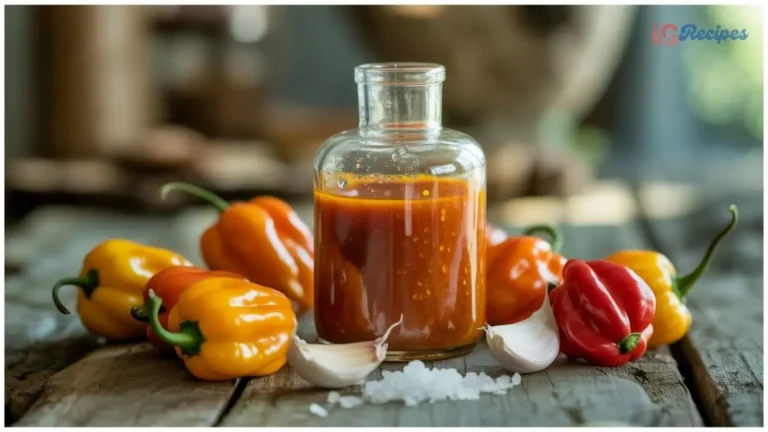

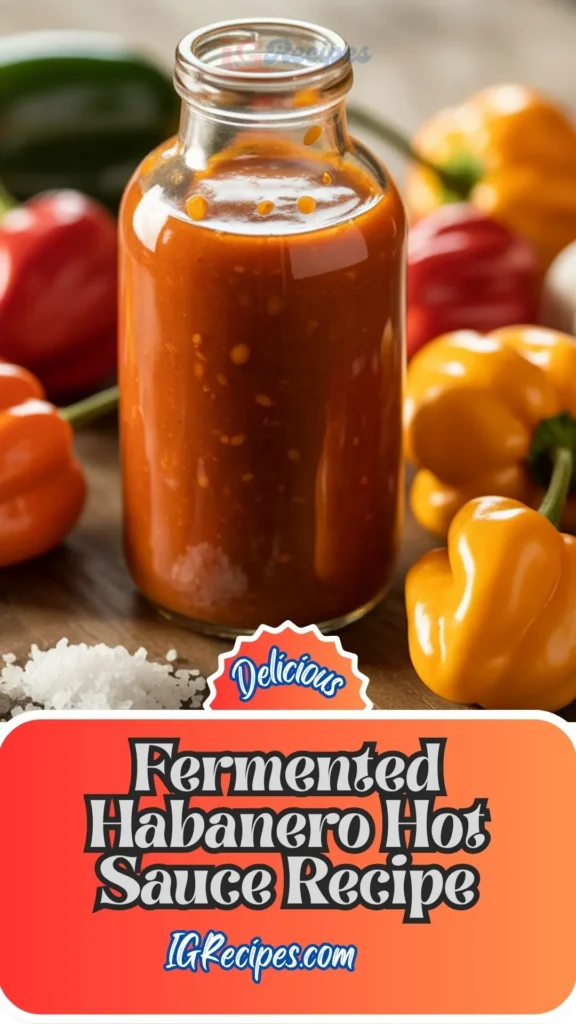
There’s something truly magical about fermented habanero hot sauce it’s not just about the heat, but the deep, complex flavors that develop during the fermentation process.
This copycat fermented habanero hot sauce recipe transforms fiery habaneros into a condiment with incredible depth, sweetness, and that signature tangy kick. The lacto-fermentation process takes about a week, but the reward is a fully developed, restaurant-quality hot sauce that elevates everything it touches.
Learning how to make fermented habanero hot sauce at home means you control the heat level, ingredients, and flavor profile while creating something far superior to store-bought versions.
What Does Fermented Habanero Hot Sauce Taste Like?
This fermented hot sauce delivers an incredible balance of flavors that goes beyond simple heat. The habaneros provide intense, fruity spiciness, while the carrots and shallots contribute natural sweetness that mellows the burn.
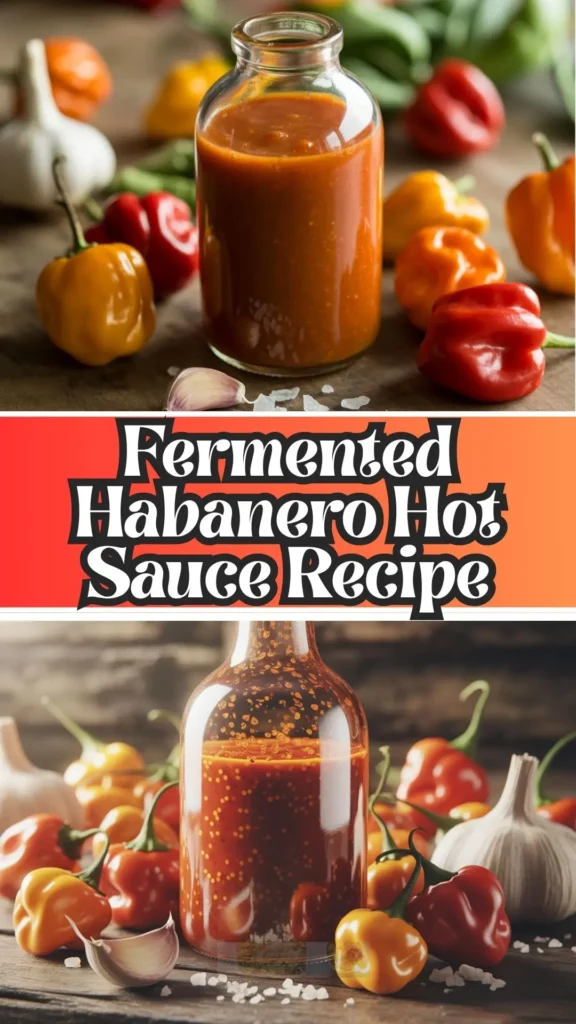
The lacto-fermentation process adds a complex tanginess almost like a vinegar-forward hot sauce but with more depth and funk.
You’ll notice earthy notes from the garlic, warm aromatic undertones from the cinnamon stick, and an umami richness that only fermentation can create. The heat is serious but not overwhelming, allowing the nuanced flavor profile to shine through with every drop.
Ingredients You’ll Need
For the Fermentation:
- 10-12 fresh habanero peppers (stems removed, halved, seeds and membranes removed)
- 2 medium carrots (peeled, halved, and thinly sliced)
- 4 garlic cloves (peeled, whole)
- 1 shallot (quartered)
- 1 cinnamon stick
- Filtered water (enough to cover ingredients to the jar’s neck)
- Fine sea salt (approximately 21 grams for a 2.5% brine solution)
For Making the Sauce:
- The fermented ingredients from the jar
- ½ cup white vinegar or apple cider vinegar
- Reserved brine liquid (as needed for consistency)
Kitchen Utensils and Equipment
- Clean mason jar (quart-sized)
- Kitchen scale (for precise brine calculation)
- Cutting board and sharp knife
- Disposable gloves (highly recommended for handling habaneros)
- Fermentation weight (baby food jar, ramekin, or water-filled plastic bag)
- Glass pie dish or plate (to catch overflow)
- Medium stock pot with lid
- High-power blender or immersion blender
- Fine mesh strainer
- Rubber spatula
- Ladle
- Tongs
- Storage bottles or jars
Preparation and Cooking Time
- Prep Time: 20 minutes
- Fermentation Time: 7 days
- Cooking Time: 15 minutes
- Total Time: 7 days, 35 minutes
- Servings: Approximately 2 cups of hot sauce
Step-by-Step Recipe Instructions
Phase 1: Preparing and Fermenting the Habaneros
Step 1: Sanitize Everything
Thoroughly wash your mason jar with hot soapy water. Rinse the habaneros and carrots under cold water. Clean your cutting board, knives, and hands. Sanitation is critical for successful lacto-fermentation to prevent unwanted bacterial growth.
Step 2: Prepare the Habaneros
Put on disposable gloves this is crucial when working with habaneros. Remove the stems and cut each pepper in half lengthwise. Carefully remove the membrane and seeds, checking for any discoloration or mold. Fresh seeds should appear white in color. Discard any that look suspect or darkened.
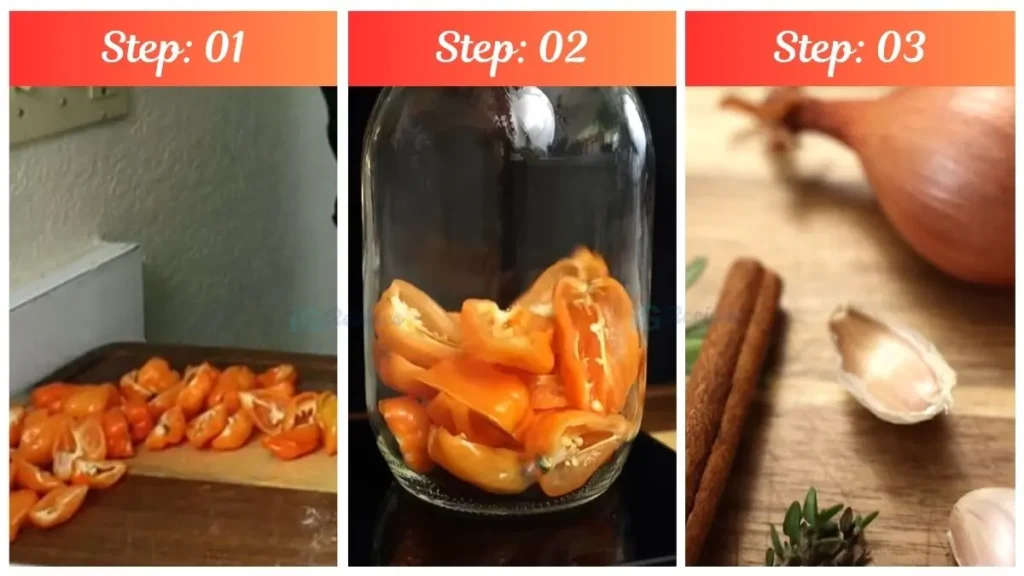
Step 3: Slice the Carrots
Peel and halve two carrots lengthwise, then cut them into thin slices. Thinner slices will cook faster when you make the sauce later and allow better fermentation penetration.
Step 4: Layer the Ingredients
Place your clean mason jar on a kitchen scale and zero it out. Add the habaneros to the bottom of the jar first. Layer in the sliced carrots, four garlic cloves, quartered shallot, and one cinnamon stick. Place heavier ingredients (like carrots) on top of lighter ones (like habaneros) to help keep everything submerged. Gently press down periodically without being too forceful you don’t want to juice the peppers.
Step 5: Add Filtered Water
Fill the jar with filtered water up to the neck (where the jar begins to narrow). Record the total weight of the jar with all ingredients and water.
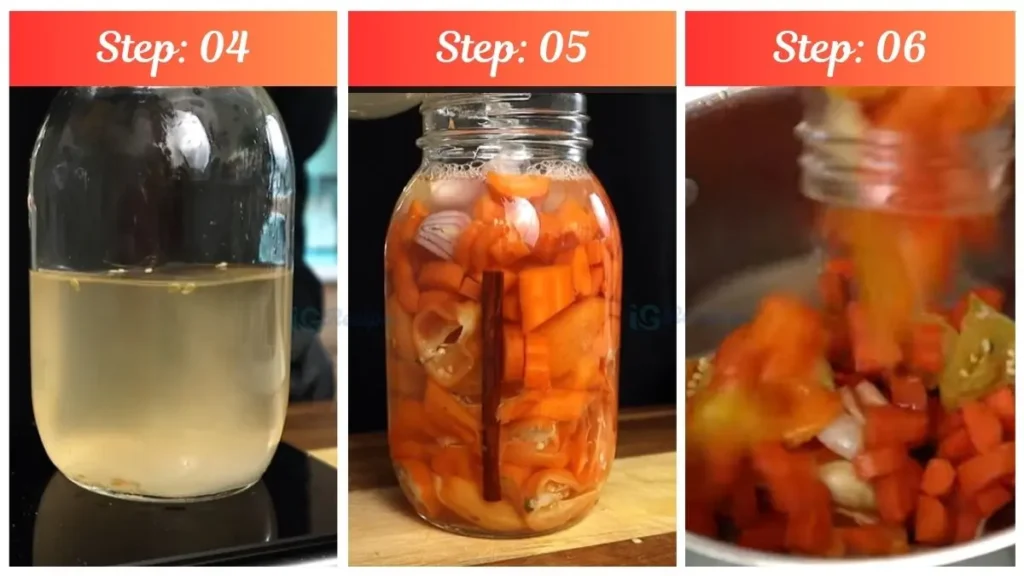
Step 6: Calculate and Add the Brine
Multiply your total weight by 0.025 to determine how much salt you need. For example, if your jar weighs 839 grams, you’ll need 21 grams of fine sea salt. Pour the liquid into a separate jar, place it on the scale, zero it out, and add the calculated salt. Use fine sea salt as it dissolves best avoid iodized salt. Put a lid on and shake vigorously until the salt completely dissolves.
Step 7: Create the Fermentation Setup
Pour the salt brine back into the jar with the vegetables. Place a fermentation weight on top to keep all ingredients submerged a baby food jar works perfectly, but you can also use a ramekin or a water-filled plastic bag. Place the jar on a glass pie dish to catch any overflow during fermentation.
Step 8: Ferment for 7 Days
Store the jar in your pantry or a cool, dark place at room temperature for approximately seven days. This allows the lacto-fermentation to develop those complex, tangy flavors that make this hot sauce special.
Phase 2: Making the Hot Sauce
Step 9: Drain the Fermented Ingredients
After seven days, drain the fermented vegetables, reserving the brine liquid. You’ll need some of this flavorful liquid when making the sauce.
Step 10: Simmer the Ingredients
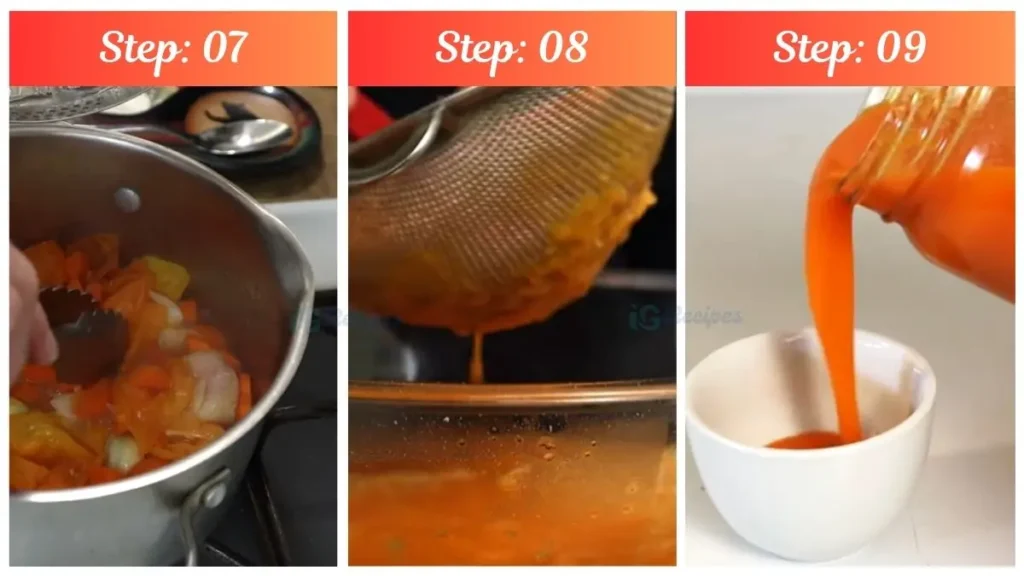
Place a medium stock pot over medium heat. Add the fermented vegetables, ½ cup of vinegar, and enough reserved brine to barely cover the ingredients. Bring to a simmer and immediately cover with a lid this prevents the fumes from fumigating your kitchen. Cook for 10-15 minutes until the carrots are completely tender. Test by squeezing a carrot piece with tongs; it should be soft throughout.
Step 11: Blend Until Smooth
Transfer the cooked ingredients to a high-power blender or use an immersion blender directly in the pot. Blend on high until completely smooth. You’ll notice there’s quite a bit of pulp from the pepper skins, membranes, and seeds.
Step 12: Strain for Smoothness
Set a fine mesh strainer over a bowl. Pour the blended sauce through, using a ladle to push the liquid through while leaving the pulp behind. Switch to a rubber spatula to really work the sauce through the strainer and extract every bit of that flavorful liquid you worked so hard to create.
Step 13: Optional Thickening
If you prefer a thicker consistency, return the strained sauce to the pot and simmer uncovered until it reduces to your desired thickness. The sauce should have a pourable but not watery consistency.
Step 14: Cool and Bottle
Allow the fermented habanero hot sauce to cool completely before transferring to clean bottles or jars for storage.
Customization and Pairing Ideas for Your Fermented Hot Sauce
1. Fruit-Forward Variations
Add mango, pineapple, or peach slices to the fermentation jar for a tropical twist. The fruit sugars enhance fermentation while adding natural sweetness that beautifully complements the habanero heat. This creates a Caribbean-style hot sauce perfect for grilled fish or jerk chicken.
2. Smoky Depth
Incorporate one or two chipotle peppers in adobo during the cooking phase, or add a teaspoon of smoked paprika for a BBQ-friendly version. This smoky fermented habanero hot sauce pairs phenomenally with pulled pork, brisket, and grilled vegetables.
3. Citrus Brightness
Add the zest of one lime or orange to the fermentation, or squeeze fresh citrus juice into the finished sauce. The acidity brightens the flavors and makes it exceptional on fish tacos, ceviche, or shrimp cocktails.
4. Asian Fusion Twist
Include ginger slices and a splash of soy sauce or fish sauce during cooking. This creates an umami-rich hot sauce that’s incredible in stir-fries, ramen bowls, pho, or as a dipping sauce for dumplings.
5. Breakfast Game-Changer
Drizzle your homemade hot sauce over scrambled eggs, breakfast burritos, avocado toast, or mix it into hollandaise sauce for a spicy eggs benedict. The fermented complexity adds sophistication to morning meals.
6. Gourmet Pizza and Pasta
Use this sauce as a finishing drizzle on margherita pizza, mix it into marinara for arrabbiata pasta, or blend it with olive oil for a spicy bread dipping sauce. The cinnamon undertones surprisingly complement Italian flavors.
7. Cocktail Mixer
Add a few drops to Bloody Marys, micheladas, or margaritas for a fermented kick that adds complexity beyond standard hot sauce. The probiotic benefits are a bonus! Mix with lime juice and agave for a spicy-sweet rim paste for cocktail glasses.
Expert Tips for Perfect Fermented Habanero Hot Sauce
1. Ventilation is Critical During Cooking
Open all windows and turn on exhaust fans when simmering your fermented peppers. The aerosolized capsaicin can cause serious coughing, burning eyes, and throat irritation. Always keep a lid on the pot during simmering to minimize fumes this is the number one mistake that can make the cooking process miserable.
2. Fermentation Weight is Non-Negotiable
Everything must stay submerged under the brine during fermentation to prevent mold growth. If ingredients float above the liquid, they’re exposed to oxygen and can develop unwanted mold. Invest in proper fermentation weights or get creative with clean glass jars that fit inside your mason jar.
3. Master the Brine Calculation
A 2.5% salt solution (multiply total weight by 0.025) creates the perfect environment for beneficial lactobacillus bacteria while inhibiting harmful microorganisms. Too little salt risks spoilage; too much can slow or stop fermentation. Using a kitchen scale ensures consistency and food safety.
4. Temperature Matters for Fermentation
Ideal fermentation temperature is 60-75°F (15-24°C). Warmer temperatures speed up fermentation but can create off-flavors, while cooler temps slow the process. Don’t refrigerate during the fermentation week cold temperatures halt bacterial activity. Find a consistent room-temperature spot away from direct sunlight.
5. Burp Your Jar (or Use Airlock Lids)
Fermentation produces carbon dioxide gas. If using a standard lid, “burp” your jar daily by briefly loosening the lid to release pressure. Alternatively, invest in airlock fermentation lids that allow gas to escape while preventing oxygen from entering this reduces maintenance and risk.
6. Taste and Adjust Before Bottling
Everyone’s heat tolerance differs. After straining, taste your sauce carefully (it will be hot!). Too intense? Add more vinegar or a touch of honey to balance. Not tangy enough? Add a bit more of the reserved brine. Want more heat? Blend in a fresh habanero during the cooking phase. This is your chance to customize.
7. White Film is Normal, But Know Your Molds
A thin white film (kahm yeast) on the surface during fermentation is harmless just skim it off. However, fuzzy mold in colors like black, pink, or green indicates contamination. When in doubt, throw it out. Proper sanitation and submersion prevent most fermentation issues, but always trust your senses.
Storage and Reheating Guidance
Store your fermented habanero hot sauce in clean glass bottles or jars in the refrigerator for up to 6 months. The vinegar and fermentation act as natural preservatives. No reheating necessary this sauce is meant to be enjoyed cold or at room temperature as a condiment.
Fermented Habanero Hot Sauce Recipe
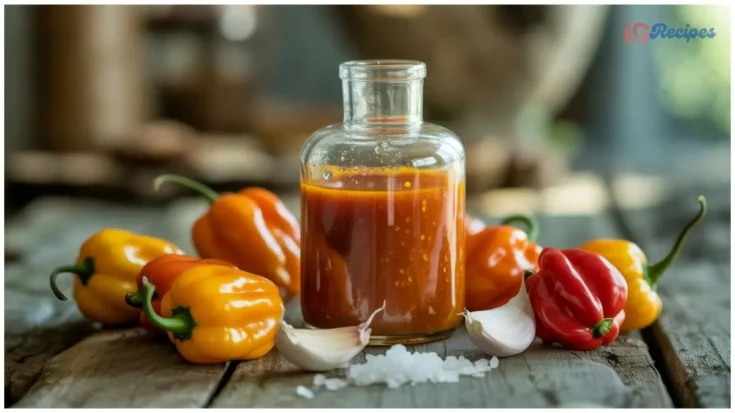
There’s something truly magical about fermented habanero hot sauce it’s not just about the heat, but the deep, complex flavors that develop during the fermentation process.
Ingredients
- For the Fermentation:
- 10-12 fresh habanero peppers (stems removed, halved, seeds and membranes removed)
- 2 medium carrots (peeled, halved, and thinly sliced)
- 4 garlic cloves (peeled, whole)
- 1 shallot (quartered)
- 1 cinnamon stick
- Filtered water (enough to cover ingredients to the jar’s neck)
- Fine sea salt (approximately 21 grams for a 2.5% brine solution)
- The fermented ingredients from the jar
- ½ cup white vinegar or apple cider vinegar
- Reserved brine liquid (as needed for consistency
Instructions
Step 1: Sanitize Everything: Thoroughly wash your mason jar with hot soapy water. Rinse the habaneros and carrots under cold water. Clean your cutting board, knives, and hands. Sanitation is critical for successful lacto-fermentation to prevent unwanted bacterial growth.
Step 2: Prepare the Habaneros: Put on disposable gloves this is crucial when working with habaneros. Remove the stems and cut each pepper in half lengthwise. Carefully remove the membrane and seeds, checking for any discoloration or mold. Fresh seeds should appear white in color. Discard any that look suspect or darkened.
Step 3: Slice the Carrots: Peel and halve two carrots lengthwise, then cut them into thin slices. Thinner slices will cook faster when you make the sauce later and allow better fermentation penetration.
Step 4: Layer the Ingredients: Place your clean mason jar on a kitchen scale and zero it out. Add the habaneros to the bottom of the jar first. Layer in the sliced carrots, four garlic cloves, quartered shallot, and one cinnamon stick. Place heavier ingredients (like carrots) on top of lighter ones (like habaneros) to help keep everything submerged. Gently press down periodically without being too forceful you don’t want to juice the peppers.
Step 5: Add Filtered Water: Fill the jar with filtered water up to the neck (where the jar begins to narrow). Record the total weight of the jar with all ingredients and water.
Step 6: Calculate and Add the Brine: Multiply your total weight by 0.025 to determine how much salt you need. For example, if your jar weighs 839 grams, you’ll need 21 grams of fine sea salt. Pour the liquid into a separate jar, place it on the scale, zero it out, and add the calculated salt. Use fine sea salt as it dissolves best avoid iodized salt. Put a lid on and shake vigorously until the salt completely dissolves.
Step 7: Create the Fermentation Setup: Pour the salt brine back into the jar with the vegetables. Place a fermentation weight on top to keep all ingredients submerged a baby food jar works perfectly, but you can also use a ramekin or a water-filled plastic bag. Place the jar on a glass pie dish to catch any overflow during fermentation.
Step 8: Ferment for 7 Days: Store the jar in your pantry or a cool, dark place at room temperature for approximately seven days. This allows the lacto-fermentation to develop those complex, tangy flavors that make this hot sauce special.
Step 9: Drain the Fermented Ingredients: After seven days, drain the fermented vegetables, reserving the brine liquid. You’ll need some of this flavorful liquid when making the sauce
Step 10: Simmer the Ingredients: Place a medium stock pot over medium heat. Add the fermented vegetables, ½ cup of vinegar, and enough reserved brine to barely cover the ingredients. Bring to a simmer and immediately cover with a lid this prevents the fumes from fumigating your kitchen. Cook for 10-15 minutes until the carrots are completely tender. Test by squeezing a carrot piece with tongs; it should be soft throughout.
Step 11: Blend Until Smooth: Transfer the cooked ingredients to a high-power blender or use an immersion blender directly in the pot. Blend on high until completely smooth. You’ll notice there’s quite a bit of pulp from the pepper skins, membranes, and seeds.
Step 12: Strain for Smoothness: Set a fine mesh strainer over a bowl. Pour the blended sauce through, using a ladle to push the liquid through while leaving the pulp behind. Switch to a rubber spatula to really work the sauce through the strainer and extract every bit of that flavorful liquid you worked so hard to create.
Step 13: Optional Thickening: If you prefer a thicker consistency, return the strained sauce to the pot and simmer uncovered until it reduces to your desired thickness. The sauce should have a pourable but not watery consistency.
Step 14: Cool and Bottle: Allow the fermented habanero hot sauce to cool completely before transferring to clean bottles or jars for storage.
Notes
Store your fermented habanero hot sauce in clean glass bottles or jars in the refrigerator for up to 6 months. The vinegar and fermentation act as natural preservatives. No reheating necessary this sauce is meant to be enjoyed cold or at room temperature as a condiment.
Nutrition Information:
Yield:
6Serving Size:
1Amount Per Serving: Calories: 70
Common Queries and FAQs
Q: Can I use other peppers instead of habaneros?
A: Absolutely! Try jalapeños for milder heat, ghost peppers for extreme spice, or a mix of peppers for complex flavor. Adjust fermentation time based on pepper thickness thinner peppers may ferment faster.
Q: What if my fermentation doesn’t bubble?
A: Visible bubbling varies by temperature and ingredients. Lack of bubbles doesn’t mean fermentation isn’t happening. Look for a slightly sour smell, cloudiness in the brine, and taste development over the week.
Q: Can I skip the fermentation and just make hot sauce?
A: You can, but you’ll miss the complex tangy flavor and probiotic benefits that make fermented habanero hot sauce special. Quick hot sauces rely solely on vinegar for acidity, while fermented versions develop layered flavors.
Q: Why do I need to remove habanero seeds and membranes?
A: The membrane holds most of the capsaicin (heat compound). Removing it allows you to control the heat level while preventing bitterness. It also helps create a smoother final texture.
Q: Is the white film on my fermentation mold?
A: Most likely it’s kahm yeast, which is harmless but can affect flavor. Simply skim it off and continue. True mold appears fuzzy and colored (black, green, pink), which means the batch should be discarded.
Q: Can I use table salt instead of sea salt?
A: Avoid iodized table salt as the iodine can inhibit fermentation and create off-flavors. Use non-iodized sea salt, kosher salt, or pickling salt. Fine sea salt dissolves easiest for creating your brine.
Q: How do I know when fermentation is complete?
A: Seven days is ideal for balanced flavor. Taste a small amount of brine on day 5, it should taste pleasantly sour and tangy. The vegetables will have dulled in color and the brine will be cloudy.
Q: Why add carrots to habanero hot sauce?
A: Carrots provide natural sweetness that balances the intense heat, add body and texture to the sauce, and contribute beta-carotene for a beautiful orange color. They’re a classic ingredient in many fermented hot sauce recipes.
Creating your own fermented habanero hot sauce at home is an incredibly rewarding culinary adventure. While the fermentation process requires patience, the actual hands-on time is minimal, and the results far exceed anything you’ll find on store shelves.
The complex, tangy heat combined with the sweet, aromatic notes from carrots, cinnamon, and garlic creates a condiment that transforms ordinary meals into extraordinary experiences. Now that you know how to make fermented habanero hot sauce, experiment with variations and make it your signature condiment!
You can also follow us on Pinterest, and YouTube for more delicious updates and kitchen inspiration. Your feedback and support mean the world to us!