
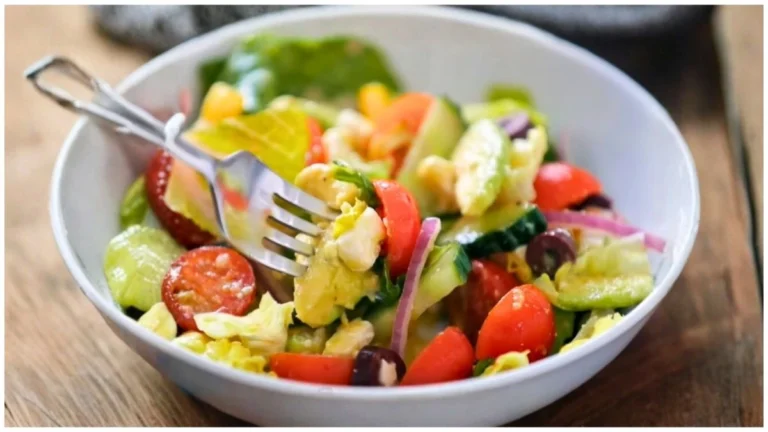

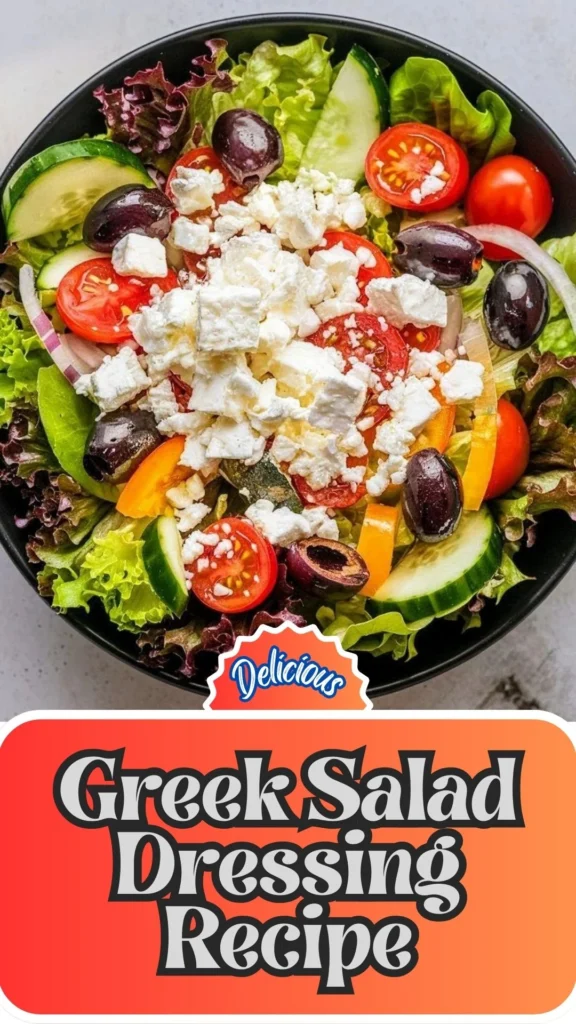
There’s something magical about a truly authentic Greek salad dressing that transforms simple vegetables into a Mediterranean masterpiece.
This homemade Greek dressing recipe captures the essence of traditional Greek cuisine with bright lemon juice, robust extra virgin olive oil, and aromatic garlic. Whether you’re preparing a classic horiatiki salad or looking to elevate your everyday greens, learning how to make Greek salad dressing from scratch is easier than you think.
With just five pantry staples and two minutes of your time, you’ll create a zesty vinaigrette that puts store-bought versions to shame and brings authentic Greek flavors right to your kitchen.
What Does Greek Salad Dressing Taste Like?
This traditional Greek salad dressing delivers a beautifully balanced flavor profile that’s simultaneously bright, tangy, and savory.

The freshly squeezed lemon juice provides a vibrant citrus punch, while the extra virgin olive oil adds a smooth, fruity richness that mellows the acidity. The pressed garlic contributes a subtle pungent warmth without overpowering, and the salt and black pepper enhance every ingredient’s natural flavors.
The result is a light, refreshing vinaigrette with Mediterranean character zesty enough to awaken your taste buds, yet mellow enough to complement delicate vegetables and creamy feta cheese perfectly.
Greek Salad Dressing Recipe Ingredients You’ll Need
For the Greek Salad:
- 1 large or 2 small heads romaine lettuce
- 1 English cucumber
- 1 cup cherry tomatoes (or 1 large tomato, diced)
- ½ sweet bell pepper (red, orange, or yellow)
- ½ medium red onion
- 1 large avocado
- ½ cup Kalamata olives
- 4 oz (about 100–120 g) feta cheese
For the Lemon Greek Dressing:
- 3 tablespoons freshly squeezed lemon juice
- 3 tablespoons extra virgin olive oil
- 1 garlic clove, pressed or finely minced
- ½ teaspoon salt
- ¼ teaspoon black pepper
Kitchen Utensils
- Large serving bowl
- Sharp chef’s knife
- Cutting board
- Salad spinner
- Small Mason jar with tight lid
- Garlic press (optional)
- Measuring spoons
- Citrus juicer (optional)
Preparation and Cooking Time
- Prep Time: 15 minutes
- Dressing Time: 2 minutes
- Total Time: 17 minutes
- Servings: 4-6 servings
Greek Salad Dressing Recipe Instructions
Step 1: Prepare the Romaine Lettuce
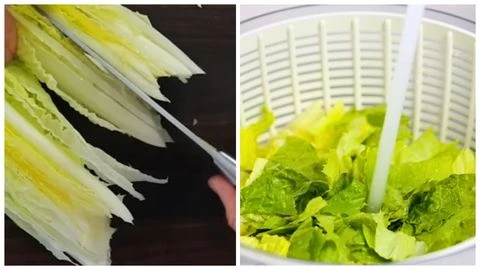
Cut the romaine head(s) in half lengthwise, remove the core, slice in half again, then chop into bite-sized pieces. Rinse thoroughly in ice-cold water, drain well, and spin completely dry in a salad spinner to keep it crisp. Place the chopped romaine in a large serving bowl.
Step 2: Prep the Cucumber and Tomatoes
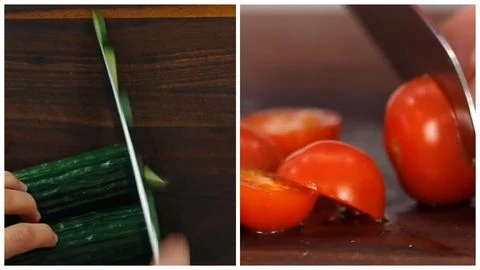
Slice the English cucumber into half-moons or rounds, about ¼-inch thick, and add to the bowl. Halve the cherry tomatoes (or dice the large tomato into bite-sized chunks) and add them to the salad.
Step 3: Add Bell Pepper and Red Onion
Thinly slice half a sweet bell pepper into strips and add to the bowl. Thinly slice half a red onion into rings or half-moons and add (for a milder flavor, soak the sliced onion in cold water for 5 minutes before adding).

Step 4: Include Avocado and Olives
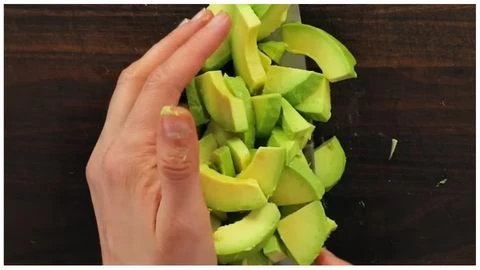
Peel, pit, and cut the avocado into bite-sized cubes, then add to the salad. Add ½ cup Kalamata olives for that authentic Greek touch.
Step 5: Top with Feta Cheese
Dice the feta cheese into small cubes and add it last, distributing it evenly over the top of the salad.

Step 6: Make the Homemade Greek Dressing
In a small Mason jar or any jar with a tight-fitting lid, combine 3 tablespoons fresh lemon juice, 3 tablespoons extra virgin olive oil, 1 pressed or finely minced garlic clove, ½ teaspoon salt, and ¼ teaspoon black pepper. Close the lid tightly and shake vigorously for 15-20 seconds until everything is well combined and emulsified.

Step 7: Dress and Serve
Pour the lemon Greek dressing over the salad. Toss gently but thoroughly using salad tongs or two large spoons, ensuring every ingredient gets coated with the tangy vinaigrette. Serve immediately for maximum freshness and crispness.
Customization and Pairing Ideas for Your Greek Salad
1. Traditional Greek Variation
For an authentic horiatiki-style presentation, omit the romaine lettuce and avocado entirely. Instead, use chunky wedges of ripe tomatoes, thick cucumber slices, and top with a large slab of feta cheese rather than cubed. This rustic approach honors the original Greek village salad tradition.
2. Protein-Packed Greek Bowl
Transform your salad into a complete meal by adding grilled chicken breast, marinated lamb, crispy chickpeas, or Mediterranean-spiced shrimp. The homemade Greek dressing pairs beautifully with any protein, making it perfect for meal prep bowls throughout the week.
3. Herb-Enhanced Dressing
Elevate your Greek salad dressing by whisking in fresh or dried oregano, which is quintessential to Greek cuisine. You can also add fresh dill, mint, or parsley for additional Mediterranean herbal notes that complement the lemon and garlic perfectly.
4. Sweet Finish Treat
End your meal with Banana Nut Bread inspired flavors in a light seafood twist. The sweet bread contrasts the savory richness, completing a memorable menu.
5. Grain Bowl Addition
Serve your dressed Greek salad over a bed of warm quinoa, bulgur wheat, or couscous for a heartier meal. The grain absorbs the tangy vinaigrette beautifully and creates a satisfying texture contrast with the crisp vegetables.
6. Pasta Salad Transformation
Toss the same ingredients with cooked orzo, rotini, or penne pasta for a Greek-inspired pasta salad. This works wonderfully for potlucks, picnics, and barbecues, and the dressing clings beautifully to the pasta shapes.
7. Hearty Comfort Meal
Serve Ina Garten Chicken Cacciatore alongside Publix Fried Chicken for a satisfying dinner. The rich tomato-based cacciatore and golden fried chicken balance beautifully with a side of fresh vegetables or simple bread.
8. Pita and Flatbread Pairing
Serve alongside warm pita bread, homemade flatbread, or crispy pita chips. The bread is perfect for scooping up the dressed vegetables and soaking up the flavorful lemon vinaigrette that pools at the bottom of the bowl.
9. Fresh Salad Starter
Pair a crisp Greek Salad with Chicken Tortilla Soup to create a vibrant, zesty starter combo. The tangy dressing complements the savory soup, making it a perfect light, refreshing appetizer.
10. Mediterranean Mezze Platter
Feature your Greek salad as the centerpiece of a Mediterranean spread alongside hummus, tzatziki, baba ganoush, dolmas, and spanakopita. The bright, fresh flavors of the salad provide a perfect counterpoint to rich, creamy dips.
Essential Tips for Perfect Greek Salad Dressing
1. Use Fresh Lemon Juice Only
Never substitute bottled lemon juice for fresh in this recipe for Greek salad dressing. Freshly squeezed lemon juice contains essential oils from the zest and has a bright, clean flavor that bottled versions simply cannot replicate. Roll your lemon on the counter before juicing to extract maximum juice.
2. Invest in Quality Extra Virgin Olive Oil
The flavor of your homemade Greek dressing relies heavily on the quality of your olive oil since it comprises half the dressing. Choose a cold-pressed, extra virgin olive oil with a fruity, peppery finish. Greek or Italian varieties work beautifully and add authentic Mediterranean character.
3. Emulsify Properly with the Shake Method
Shaking the dressing ingredients in a sealed jar creates a temporary emulsion that helps the oil and lemon juice blend smoothly rather than separating immediately. Shake vigorously for at least 15-20 seconds, and if the dressing separates before serving, simply shake again.
4. Adjust Salt After Tasting
Since feta cheese and Kalamata olives both contribute significant saltiness to your Greek salad, start with the recommended ½ teaspoon of salt in the dressing, then taste and adjust. You can always add more, but you cannot remove excess salt once added.
5. Dress the Salad Just Before Serving
For maximum crispness and texture, always dress your Greek salad immediately before serving. If dressed too far in advance, the salt in the dressing will draw moisture from the vegetables, making them soggy and diluting the bright flavors you’ve worked to create.
6. Make the Dressing Ahead for Flavor Development
While you should dress the salad just before serving, the Greek salad dressing itself actually improves when made 30 minutes to 2 hours ahead. This resting time allows the garlic to infuse the oil and the flavors to meld beautifully together.
7. Control the Garlic Intensity
For a milder garlic flavor, use finely minced garlic instead of pressed, or reduce to half a clove. For those who love bold garlic punch, press the clove or even add a second one. You can also let a whole smashed garlic clove steep in the dressing for 20 minutes, then remove it before serving for a subtle background note.
Storage and Reheating Guidance
Store any leftover Greek salad dressing in an airtight container or sealed jar in the refrigerator for up to 5 days. The olive oil may solidify when cold simply let it sit at room temperature for 10-15 minutes and shake well before using. Keep undressed salad components separately in airtight containers for up to 2 days.
Greek Salad Dressing Recipe
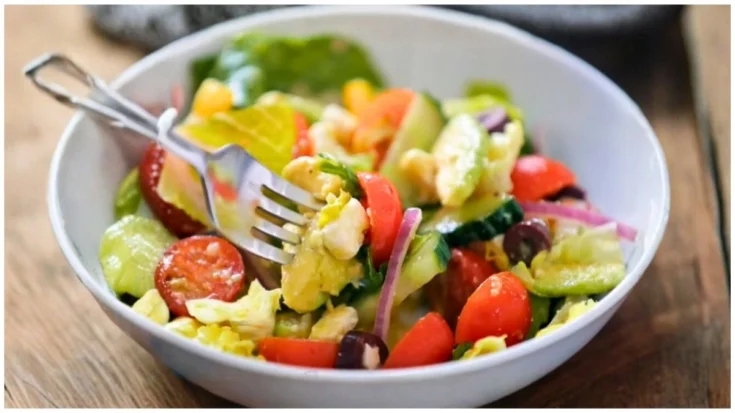
There’s something magical about a truly authentic Greek salad dressing that transforms simple vegetables into a Mediterranean masterpiece. This homemade Greek dressing recipe captures the essence of traditional Greek cuisine with bright lemon juice, robust extra virgin olive oil, and aromatic garlic.
Ingredients
- 1 large or 2 small heads romaine lettuce
- 1 English cucumber
- 1 cup cherry tomatoes, or 1 large tomato, diced
- ½ sweet bell pepper, red, orange, or yellow
- ½ medium red onion
- 1 large avocado
- ½ cup Kalamata olives
- 4 oz about 100–120 g feta cheese
- 3 tablespoons freshly squeezed lemon juice
- 3 tablespoons extra virgin olive oil
- 1 garlic clove, pressed or finely minced
- ½ teaspoon salt
- ¼ teaspoon black pepper
Instructions
Step 1: Prepare the Romaine Lettuce
Cut the romaine head(s) in half lengthwise, remove the core, slice in half again, then chop into bite-sized pieces. Rinse thoroughly in ice-cold water, drain well, and spin completely dry in a salad spinner to keep it crisp. Place the chopped romaine in a large serving bowl.Step 2: Prep the Cucumber and Tomatoes
Slice the English cucumber into half-moons or rounds, about ¼-inch thick, and add to the bowl. Halve the cherry tomatoes (or dice the large tomato into bite-sized chunks) and add them to the salad.Step 3: Add Bell Pepper and Red Onion
Thinly slice half a sweet bell pepper into strips and add to the bowl. Thinly slice half a red onion into rings or half-moons and add (for a milder flavor, soak the sliced onion in cold water for 5 minutes before adding).Step 4: Include Avocado and Olives
Peel, pit, and cut the avocado into bite-sized cubes, then add to the salad. Add ½ cup Kalamata olives for that authentic Greek touch.Step 5: Top with Feta Cheese
Dice the feta cheese into small cubes and add it last, distributing it evenly over the top of the salad.Step 6: Make the Homemade Greek Dressing
In a small Mason jar or any jar with a tight-fitting lid, combine 3 tablespoons fresh lemon juice, 3 tablespoons extra virgin olive oil, 1 pressed or finely minced garlic clove, ½ teaspoon salt, and ¼ teaspoon black pepper. Close the lid tightly and shake vigorously for 15-20 seconds until everything is well combined and emulsified.Step 7: Dress and Serve
Pour the lemon Greek dressing over the salad. Toss gently but thoroughly using salad tongs or two large spoons, ensuring every ingredient gets coated with the tangy vinaigrette. Serve immediately for maximum freshness and crispness.Step 2: Prep the Cucumber and Tomatoes
Slice the English cucumber into half-moons or rounds, about ¼-inch thick, and add to the bowl. Halve the cherry tomatoes (or dice the large tomato into bite-sized chunks) and add them to the salad.Step 3: Add Bell Pepper and Red Onion
Thinly slice half a sweet bell pepper into strips and add to the bowl. Thinly slice half a red onion into rings or half-moons and add (for a milder flavor, soak the sliced onion in cold water for 5 minutes before adding).Step 4: Include Avocado and Olives
Peel, pit, and cut the avocado into bite-sized cubes, then add to the salad. Add ½ cup Kalamata olives for that authentic Greek touch.Step 5: Top with Feta Cheese
Dice the feta cheese into small cubes and add it last, distributing it evenly over the top of the salad.Step 6: Make the Homemade Greek Dressing
In a small Mason jar or any jar with a tight-fitting lid, combine 3 tablespoons fresh lemon juice, 3 tablespoons extra virgin olive oil, 1 pressed or finely minced garlic clove, ½ teaspoon salt, and ¼ teaspoon black pepper. Close the lid tightly and shake vigorously for 15-20 seconds until everything is well combined and emulsified.Step 7: Dress and Serve
Pour the lemon Greek dressing over the salad. Toss gently but thoroughly using salad tongs or two large spoons, ensuring every ingredient gets coated with the tangy vinaigrette. Serve immediately for maximum freshness and crispness.
Notes
Store any leftover Greek salad dressing in an airtight container or sealed jar in the refrigerator for up to 5 days. The olive oil may solidify when cold simply let it sit at room temperature for 10-15 minutes and shake well before using. Keep undressed salad components separately in airtight containers for up to 2 days.
Nutrition Information:
Yield:
4Serving Size:
1Amount Per Serving: Calories: 130Unsaturated Fat: 0g
Common Queries and FAQs
Here, we’ve got you covered with some common questions about the Greek Salad Dressing Recipe that people often ask.
Can I make Greek salad dressing without lemon juice?
While lemon juice is traditional in authentic Greek salad dressing, you can substitute red wine vinegar or white wine vinegar for a different but still delicious Mediterranean-style dressing. Use 2-3 tablespoons of vinegar instead of lemon juice. However, the bright citrus notes that define traditional Greek dressing will be missing.
What’s the ratio of oil to lemon juice in Greek dressing?
The classic ratio for homemade Greek salad dressing is 1:1 (equal parts oil to acid), which creates a bright, tangy vinaigrette. This differs from French vinaigrettes that typically use 3:1. The equal ratio allows the lemon flavor to shine through without being overpowering, perfectly complementing salty feta and briny olives.
How do I make my Greek dressing creamier?
To create a creamy Greek dressing variation, add 1-2 tablespoons of plain Greek yogurt or mayonnaise to the basic recipe. You can also blend in a small piece of feta cheese for a creamy, tangy result. Whisk or blend these additions with the other ingredients until smooth.
Can I use dried oregano in Greek salad dressing?
Absolutely! Adding ½ to 1 teaspoon of dried oregano is a wonderful way to enhance your homemade Greek dressing with authentic Mediterranean flavor. Oregano is one of the most characteristic herbs in Greek cuisine and pairs beautifully with lemon and garlic. Some recipes consider it essential.
Is Greek salad dressing the same as Italian dressing?
No, Greek and Italian dressings are distinctly different. Greek salad dressing typically features lemon juice, olive oil, and garlic with a 1:1 oil-to-acid ratio, creating a bright, tangy profile. Italian dressing uses vinegar (not lemon), often includes sugar, and has more herbs like basil and oregano with a mellower, sweeter character.
How long does homemade Greek dressing last?
Properly stored in an airtight container in the refrigerator, your homemade Greek salad dressing will last 5-7 days. The fresh garlic and lemon juice give it a shorter shelf life than commercial versions with preservatives. Always smell and taste before using if it smells off or tastes bitter, discard it.
Can I make Greek dressing in advance?
Yes, making your Greek dressing 30 minutes to 2 hours ahead actually enhances the flavor as it allows the garlic to infuse and the ingredients to meld. For best results, prepare it the morning you plan to serve it. Just remember to shake well before using since oil and lemon juice naturally separate.
What can I use instead of Kalamata olives?
While Kalamata olives provide authentic Greek flavor, you can substitute other varieties like black olives, green olives, or Castelvetrano olives. Each brings a different flavor profile green olives are milder and slightly bitter, while Castelvetranos are buttery and sweet. You could also omit olives entirely if needed.
Should I peel the cucumber for Greek salad?
English cucumbers (also called hothouse or seedless cucumbers) have thin, tender skin that doesn’t require peeling and is perfectly pleasant to eat. If using regular cucumbers with thicker, waxy skin, you may want to peel them partially in stripes or completely, depending on your texture preference.
How do I prevent my Greek salad from getting watery?
To avoid a watery Greek salad, ensure your lettuce is completely dry after washing (use a salad spinner), salt and drain tomatoes for 10 minutes before adding, and dress the salad just before serving. The combination of wet vegetables and salt in the dressing draws out moisture, so timing is crucial.
Can I make Greek salad dressing dairy-free?
The dressing itself (lemon juice, olive oil, garlic, salt, and pepper) is naturally dairy-free and vegan. It’s the salad that contains feta cheese. For a completely dairy-free version, omit the feta or use a plant-based feta alternative made from tofu or nuts.
What type of olive oil is best for Greek dressing?
Use extra virgin olive oil for the best flavor in your homemade Greek salad dressing. Look for cold-pressed varieties labeled “extra virgin” with harvest dates within the past year. Greek, Italian, or Spanish olive oils all work beautifully choose one with a flavor profile you enjoy, whether fruity, peppery, or mild.
This authentic Greek salad dressing recipe proves that the most memorable flavors often come from the simplest ingredients. With just fresh lemon juice, quality olive oil, and aromatic garlic, you’ve created a traditional vinaigrette that transforms ordinary vegetables into a Mediterranean celebration.
Now that you know how to make Greek dressing from scratch, you’ll never need to buy bottled versions again. The bright, tangy flavors and wholesome ingredients make this homemade Greek salad dressing a kitchen staple you’ll reach for again and again. Gather your ingredients, shake up a batch, and enjoy the authentic taste of Greece!