
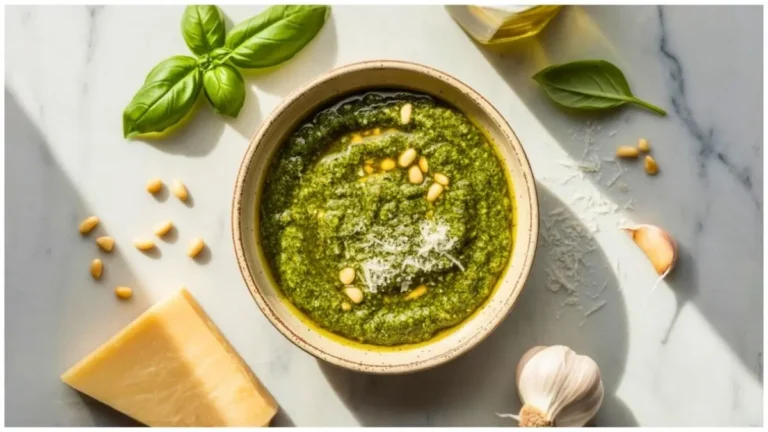

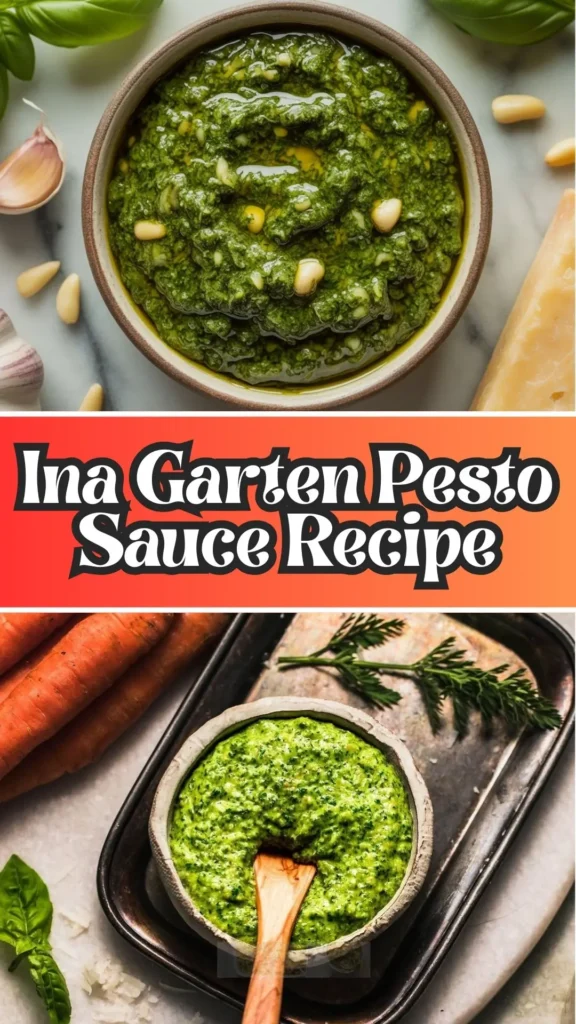
There’s something magical about homemade pesto sauce that transforms ordinary pasta into a restaurant-worthy masterpiece.
This copycat Ina Garten pesto sauce recipe captures the essence of the Barefoot Contessa’s timeless Italian classic, bringing vibrant basil, nutty Parmigiano Reggiano, and golden olive oil together in perfect harmony. Whether you’re tossing it with alfredo pasta for a creamy twist or spooning it over grilled chicken, this easy pesto sauce recipe delivers that fresh, aromatic flavor Ina Garten is famous for.
With just a handful of quality ingredients and a few minutes, you’ll create the best pesto sauce recipe that rivals any Italian trattoria.
What Does It Taste Like?
This Ina Garten pesto delivers a beautifully balanced flavor profile that’s herbaceous, nutty, and slightly sharp. The fresh basil provides a sweet, peppery brightness that dances on your tongue, while the Parmigiano Reggiano adds a savory, umami-rich depth.
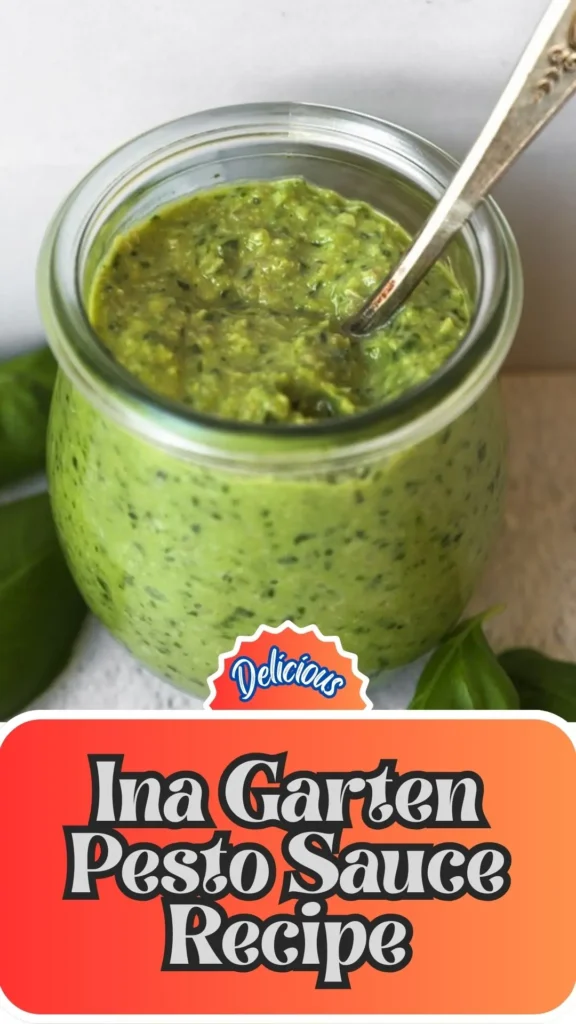
Pine nuts contribute a buttery, subtle nuttiness that rounds out the sauce, and the garlic brings just a hint of aromatic punch without overwhelming the delicate basil.
The extra virgin olive oil ties everything together with its fruity, smooth richness, creating a creamy yet vibrant sauce that coats your palate with layers of Mediterranean sunshine in every spoonful.
Ina Garten Pesto Sauce Recipe Ingredients
For the Pesto Sauce:
- Fresh basil leaves (1-2 bunches, enough to fill blender loosely)
- 3 tablespoons Parmigiano Reggiano, grated (adjust to taste)
- 1 small to medium garlic clove (optional or to taste)
- 10 grams pine nuts (roasted or raw)
- Pinch of salt (optional)
- 5-6 tablespoons extra virgin olive oil (divided, plus more as needed)
Alternative Nuts (for variations):
- Almonds
- Pistachios
- Macadamia nuts
Kitchen Utensils
- Blender or food processor
- Measuring spoons
- Paper towels
- Spoon for scraping
- Storage container with lid
Preparation and Cooking Time
- Prep Time: 10 minutes
- Cook Time: 0 minutes (no cooking required)
- Total Time: 10 minutes
- Servings: Approximately 1 cup (enough for 4-6 servings of pasta)
Ina Garten Pesto Sauce Recipe Instructions
Step 1: Prepare the Fresh Basil
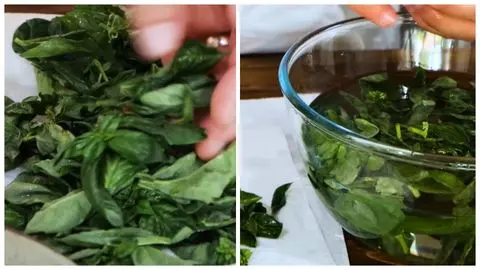
Harvest or purchase fresh basil. If cutting from a plant, snip the stems (not just leaves) to encourage regrowth. Wash basil gently in cold water, then remove each leaf individually, checking carefully for any insects or debris.
Step 2: Dry the Basil Thoroughly
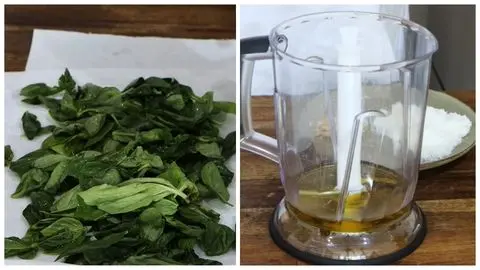
Place basil leaves on paper towels and pat dry gently with another paper towel on top. Remove as much water as possible without bruising the delicate leaves excess moisture will dilute your pesto sauce recipe for pasta and affect the consistency.
Step 3: Blend the Garlic and Oil Base
Add 3-4 tablespoons of extra virgin olive oil to your blender or food processor, along with the garlic clove. Blend until the garlic is completely incorporated and has “melted” into the oil, creating a smooth, aromatic base.
Step 4: Add and Blend the Pine Nuts
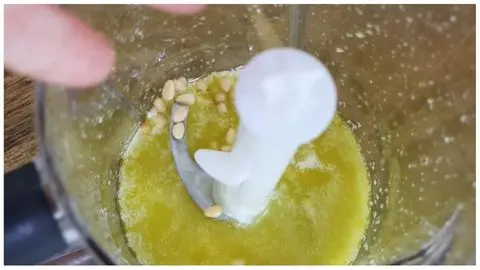
Add the pine nuts to the garlic-oil mixture. Blend again until the nuts are completely broken down and disappear into the oil. The mixture will become noticeably denser and creamier at this stage.
Step 5: Incorporate the Basil and Cheese
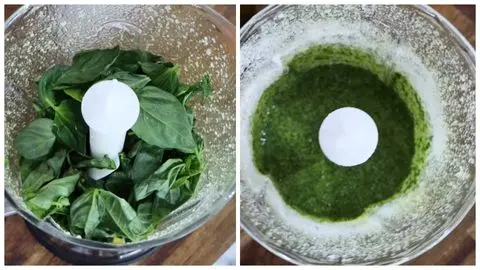
Add your dried basil leaves to the blender, followed by 3 tablespoons of grated Parmigiano Reggiano, a pinch of salt (if using), and another 2 tablespoons of extra virgin olive oil.
Step 6: Quick Blend (Critical Step)
Blend for approximately 30 seconds only. Do not over-blend, as this will heat the basil and damage its bright color and fresh flavor. The goal is just to break down the leaves and combine everything smoothly.
Step 7: Check, Taste, and Adjust
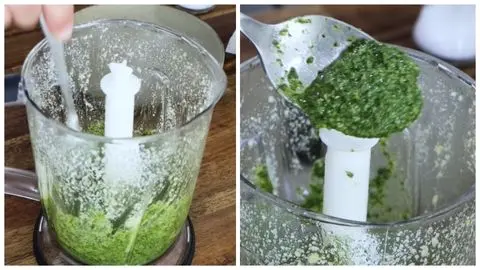
Stop the blender and use a spoon to scrape down any cheese stuck to the sides, mixing it back in. Taste your homemade pesto sauce recipe and adjust as needed: add more olive oil for a smoother, runnier texture; add more cheese, salt, or garlic if desired. Blend briefly again only if making adjustments.
Step 8: Achieve Perfect Consistency
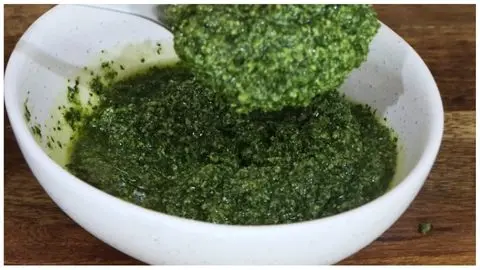
Your final creamy pesto sauce recipe should be thick and creamy, not too runny. It should coat a spoon nicely and hold its shape while still being spreadable.
Customization and Pairing Ideas for Serving
1. Classic Pesto Pasta Perfection
Toss this Barefoot Contessa pesto with hot spaghetti, linguine, or penne. Reserve ½ cup of pasta cooking water and add it gradually to thin the pesto for perfect pasta coating. Finish with extra Parmigiano Reggiano and toasted pine nuts on top.
2. Creamy Pesto Alfredo Fusion
Combine this Ina Garten pesto recipe with heavy cream and butter for a luscious pesto alfredo pasta. Heat gently in a pan, add cooked fettuccine, and toss until beautifully coated. This creates a restaurant-quality cream sauce with herbaceous brightness.
3. Protein-Packed Pesto Bowls
Slather this recipe for Ina Garten pesto sauce over grilled chicken breasts, pan-seared salmon, or roasted shrimp. The vibrant flavors complement proteins beautifully, turning simple grilled meats into gourmet dishes worthy of entertaining.
4. Creamy Chicken Casserole Delight
Ina Garten chicken casserole tastes perfect when paired with a fresh side salad or garlic bread. This comforting dish blends tender chicken, creamy sauce, and herbs for a cozy family meal.
5. Pesto Pizza and Flatbreads
Use as a pizza sauce alternative on homemade or store-bought pizza dough. Top with mozzarella, cherry tomatoes, and grilled vegetables for a fresh take on Italian flatbread. The pesto adds incredible depth that marinara simply can’t match.
6. Vegetable Pesto Medley
Drizzle over roasted vegetables like zucchini, bell peppers, eggplant, or cherry tomatoes. You can also stir it into sautéed green beans or toss with roasted potatoes for a Mediterranean-inspired side dish that steals the show.
7. Spicy Beef Chili Feast
Ina Garten beef chili is hearty and rich, ideal for chilly nights. Top with shredded cheese or a dollop of sour cream to balance flavors and make the meal unforgettable.
8. Pesto Sandwich Spread
Elevate your sandwiches and paninis by spreading this best pesto sauce recipe on ciabatta or sourdough. Layer with fresh mozzarella, sliced tomatoes, and prosciutto for an Italian-inspired lunch that’s bursting with flavor.
9. Pesto Dipping Station
Serve as a dip for crusty bread, breadsticks, or crudités at your next gathering. Mix with a bit of extra olive oil or ricotta cheese to create a lighter consistency perfect for dipping and sharing with guests.
10. Flavorful Pastalaya Rice
Pastalaya delivers bold Cajun flavors with chicken, sausage, or shrimp. Serve it alongside roasted vegetables or a light drizzle of Ina Garten pesto sauce for a fresh, aromatic twist on tradition.
Essential Tips for Perfect Pesto
1. Use the Freshest Basil Possible
The quality of your basil makes or breaks this easy pesto sauce recipe. Look for bright green leaves without dark spots or yellowing. If growing your own, harvest in the morning when the oils are most concentrated. Young, tender leaves produce a sweeter, less bitter pesto than older, tougher leaves.
2. Keep Everything Cold
Temperature matters tremendously in homemade pesto preparation. Cold ingredients blend better and maintain that vibrant green color. Some pesto purists even chill their blender bowl beforehand. Never let your blender run so long that the blade heats up and “cooks” the basil, which causes bitter flavors and color oxidation.
3. The Nut Debate: Toast or Not
While this Ina Garten pesto sauce recipe works beautifully with raw pine nuts, lightly toasting them intensifies their flavor significantly. Toast pine nuts in a dry skillet over medium-low heat for 2-3 minutes, watching carefully as they burn quickly. Let them cool completely before adding to your pesto for a deeper, more complex nutty flavor.
4. Cheese Quality Cannot Be Compromised
Authentic Parmigiano Reggiano makes a noticeable difference compared to pre-grated supermarket parmesan. The real deal has a complex, crystalline texture and nutty sweetness that elevates your pesto recipe Ina Garten style. Grate it fresh right before making your pesto, and consider mixing in a bit of Pecorino Romano for extra sharpness.
5. Garlic Control is Everything
Raw garlic can easily overpower delicate basil. Start with less than you think you need you can always add more, but you can’t remove garlic’s punch once it’s blended. For a mellower flavor, blanch your garlic clove in boiling water for 30 seconds before using, which softens its bite while maintaining aromatic qualities.
6. Oil Quality Determines Final Flavor
Since olive oil comprises nearly half of your pesto sauce recipe, invest in a high-quality extra virgin olive oil with a flavor profile you enjoy. Peppery Tuscan oils create a more robust pesto, while milder oils let the basil shine. Avoid oils labeled “light” or “pure,” as they lack the fruity complexity that makes pesto special.
7. The Blanching Technique for Color Preservation
Professional chefs often blanch basil leaves in boiling water for 5-10 seconds, then immediately shock them in ice water before making pesto. This technique sets the chlorophyll, creating an incredibly vibrant green color that lasts longer in storage. Pat the leaves completely dry before proceeding with the best pesto sauce recipe method, as any water will compromise texture.
Storage and Reheating Guidance
Store your homemade pesto sauce recipe in an airtight container in the refrigerator for up to 5 days. Pour a thin layer of olive oil over the surface to prevent oxidation and browning. For longer storage, freeze pesto in ice cube trays, then transfer cubes to freezer bags for up to 3 months perfect for single servings.
Ina Garten Pesto Sauce Recipe
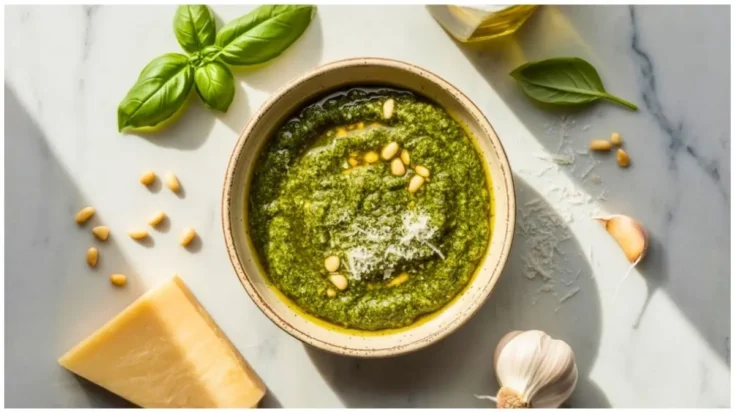
There’s something magical about homemade pesto sauce that transforms ordinary pasta into a restaurant-worthy masterpiece. This copycat Ina Garten pesto sauce recipe captures the essence of the Barefoot Contessa’s timeless Italian classic, bringing vibrant basil, nutty Parmigiano Reggiano, and golden olive oil together in perfect harmony.
Ingredients
- Fresh basil leaves, 1-2 bunches, enough to fill blender loosely
- 3 tablespoons Parmigiano Reggiano, grated (adjust to taste)
- 1 small to medium garlic clove, optional or to taste
- 10 grams pine nuts, roasted or raw
- Pinch of salt, optional
- 5-6 tablespoons extra virgin olive oil, divided, plus more as needed
- Almonds
- Pistachios
- Macadamia nuts
Instructions
Step 1: Prepare the Fresh Basil
Harvest or purchase fresh basil. If cutting from a plant, snip the stems (not just leaves) to encourage regrowth. Wash basil gently in cold water, then remove each leaf individually, checking carefully for any insects or debris.Step 2: Dry the Basil Thoroughly
Place basil leaves on paper towels and pat dry gently with another paper towel on top. Remove as much water as possible without bruising the delicate leaves excess moisture will dilute your pesto sauce recipe for pasta and affect the consistency.Step 3: Blend the Garlic and Oil Base
Add 3-4 tablespoons of extra virgin olive oil to your blender or food processor, along with the garlic clove. Blend until the garlic is completely incorporated and has “melted” into the oil, creating a smooth, aromatic base.Step 4: Add and Blend the Pine Nuts
Add the pine nuts to the garlic-oil mixture. Blend again until the nuts are completely broken down and disappear into the oil. The mixture will become noticeably denser and creamier at this stage.Step 5: Incorporate the Basil and Cheese
Add your dried basil leaves to the blender, followed by 3 tablespoons of grated Parmigiano Reggiano, a pinch of salt (if using), and another 2 tablespoons of extra virgin olive oil.Step 6: Quick Blend (Critical Step)
Blend for approximately 30 seconds only. Do not over-blend, as this will heat the basil and damage its bright color and fresh flavor. The goal is just to break down the leaves and combine everything smoothly.Step 7: Check, Taste, and Adjust
Stop the blender and use a spoon to scrape down any cheese stuck to the sides, mixing it back in. Taste your homemade pesto sauce recipe and adjust as needed: add more olive oil for a smoother, runnier texture; add more cheese, salt, or garlic if desired. Blend briefly again only if making adjustments.Step 8: Achieve Perfect Consistency
Your final creamy pesto sauce recipe should be thick and creamy, not too runny. It should coat a spoon nicely and hold its shape while still being spreadable.
Notes
Store your homemade pesto sauce recipe in an airtight container in the refrigerator for up to 5 days. Pour a thin layer of olive oil over the surface to prevent oxidation and browning. For longer storage, freeze pesto in ice cube trays, then transfer cubes to freezer bags for up to 3 months perfect for single servings.
Nutrition Information:
Yield:
6Serving Size:
1Amount Per Serving: Calories: 80Unsaturated Fat: 0g
Common Queries and FAQs
Here, we’ve got you covered with some common questions about the Ina Garten Pesto Sauce Recipe that people often ask.
Can I make Ina Garten pesto without pine nuts?
Absolutely! Pine nuts can be expensive and sometimes hard to find. Substitute with toasted almonds, walnuts, pistachios, or even sunflower seeds for a nut-free version. Each alternative brings its own unique flavor walnuts create a more earthy pesto, while pistachios add a subtle sweetness. Just use the same quantity (about 10 grams) of your chosen nut.
Why is my pesto bitter?
Bitterness typically comes from over-blending, which heats the basil and releases bitter compounds. Blend in short 10-15 second pulses rather than continuously. Another culprit could be large, mature basil leaves stick with smaller, younger leaves for sweeter flavor. Finally, some olive oils turn bitter when blended; if this happens consistently, try a different brand or add the oil by hand after blending.
How do I prevent my pesto from turning brown?
Oxidation causes that unappealing brown color. Minimize this by working quickly, keeping ingredients cold, and storing with a protective layer of olive oil on top. The blanching technique mentioned in the tips section also helps tremendously. Adding a squeeze of lemon juice can slow browning, though it will alter the traditional flavor slightly. Store in the smallest container possible to minimize air exposure.
Can I use dried basil instead of fresh for this pesto recipe?
Unfortunately, no. Dried basil simply cannot replicate the bright, aromatic quality that fresh basil brings to Barefoot Contessa pesto. The entire character of pesto relies on fresh herb oils. If fresh basil is unavailable, consider making a different sauce entirely, like a sun-dried tomato spread or an herb-based chimichurri with whatever fresh herbs you can find.
What’s the best way to use pesto with pasta?
Never just plop cold pesto on hot pasta! The proper technique involves reserving 1 cup of starchy pasta cooking water before draining. Toss hot, drained pasta with pesto in a large bowl, gradually adding pasta water (2-3 tablespoons at a time) until the sauce becomes silky and coats every strand. The starch in the water acts as an emulsifier, creating that restaurant-quality glossy coating.
How much pesto sauce do I need per person?
For a main course pasta dish, plan on 3-4 tablespoons of pesto sauce recipe for pasta per person. This Ina Garten pesto sauce recipe makes about 1 cup, which generously serves 4-6 people when tossed with pasta. If using pesto as a condiment or topping for proteins, 1-2 tablespoons per serving is typically sufficient.
Can I make pesto in a mortar and pestle like traditional Italian methods?
Yes, and purists argue this creates superior texture! The traditional method involves grinding garlic and salt first, adding pine nuts, then basil leaves gradually while crushing in a circular motion, and finally stirring in cheese and oil by hand. This takes 15-20 minutes but produces a pesto with better texture slightly grainy rather than completely smooth. However, the blender method in this easy pesto sauce recipe delivers excellent results in a fraction of the time.
Is it necessary to remove basil stems, or can I include them?
Remove thick, woody stems as they can add bitterness and a fibrous texture. However, thin, tender stems from the top portions of the plant are perfectly fine to include and actually contain lots of flavor. They’ll blend smoothly and won’t negatively impact your creamy pesto sauce recipe. Just use common sense if a stem seems tough or bitter when you taste it raw, leave it out.
What cheese substitutions work if I can’t find Parmigiano Reggiano?
Pecorino Romano is the most authentic substitute it’s sharper and saltier, so reduce the amount slightly (start with 2 tablespoons). Grana Padano works wonderfully and is often more affordable. Avoid pre-grated parmesan cheese in plastic containers; it contains anti-caking agents that affect texture. For a dairy-free version, nutritional yeast provides umami depth, though it won’t replicate the exact flavor.
How do I fix pesto that’s too thick or too thin?
If your recipe for Ina Garten pesto sauce turns out too thick and paste-like, simply drizzle in additional extra virgin olive oil one tablespoon at a time, stirring between additions until you reach desired consistency. If it’s too thin and runny, blend in more grated Parmigiano Reggiano or add a small handful of additional basil leaves. You can also add a few more pine nuts to thicken it naturally.
Can I make a large batch of this pesto and freeze it?
Definitely! This homemade pesto freezes beautifully. Prepare the pesto but omit the cheese, as Parmigiano Reggiano can become grainy when frozen. Portion the pesto into ice cube trays or small containers, freeze until solid, then transfer to freezer bags. When ready to use, thaw and stir in freshly grated cheese. Frozen pesto maintains quality for 3-4 months and tastes remarkably fresh.
This Ina Garten pesto sauce recipe proves that the simplest ingredients, treated with respect and proper technique, create extraordinary results. Whether you’re drizzling it over alfredo pasta, spreading it on sandwiches, or using it as a vibrant sauce for grilled proteins, this Barefoot Contessa pesto brings restaurant-quality flavor to your home kitchen in just minutes.
The beauty of homemade pesto sauce lies in its versatility and that unmistakable fresh basil brightness that transforms everyday meals into memorable dining experiences. Now grab your freshest basil and get blending!
You can also follow us on Pinterest, and YouTube for more delicious updates and kitchen inspiration. Your feedback and support mean the world to us!