
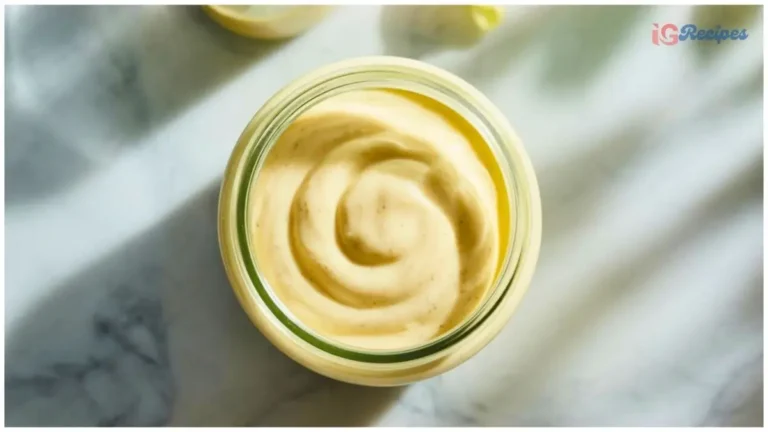

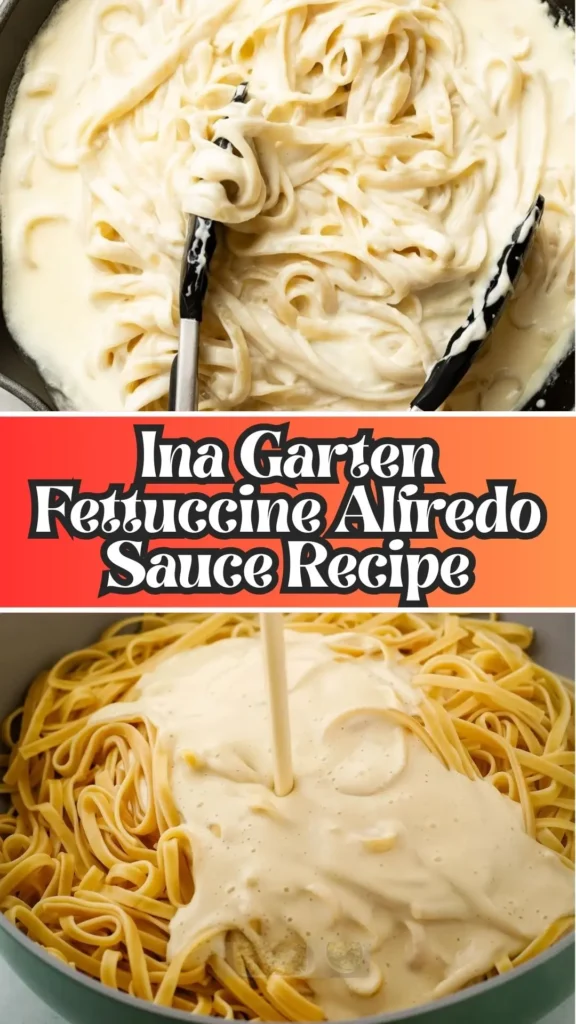
There’s something absolutely magical about twirling silky fettuccine coated in a luxurious, buttery alfredo sauce, and this Ina Garten Fettuccine Alfredo Sauce Recipe delivers true Italian comfort food at home.
This copycat Ina Garten favorite uses premium ingredients like butter, heavy cream, Parmesan, and garlic to create the ultimate fettuccine alfredo sauce. Perfect for an easy weeknight dinner or an elegant date night meal, this homemade fettuccine alfredo sauce is rich, creamy alfredo sauce goodness with a garlicky alfredo sauce finish.
Learn how to make fettuccine alfredo sauce that rivals any Italian trattoria in under 30 minutes.
What Does It Taste Like?
This fettuccine alfredo recipe delivers pure decadence in every bite. The sauce is incredibly rich and velvety, with a pronounced buttery flavor that melts on your tongue.
Fresh Parmesan cheese adds a sharp, nutty complexity that cuts through the cream’s richness, while garlic provides aromatic depth without overwhelming the delicate balance. The texture is silky-smooth and coats each fettuccine strand perfectly not too thick, not too thin.
It’s comfort food at its finest: warm, creamy, and utterly satisfying with that signature umami flavor that makes Italian pasta dishes so irresistible.
Ina Garten Fettuccine Alfredo Sauce Ingredients
Main Ingredients:
- 1 pound (454g) fettuccine pasta
- 2–3 teaspoons salt (for pasta water)
- ½ cup (113g) unsalted butter (salted butter works too)
- 3–7 garlic cloves, pressed or minced
- 1 cup (240ml) heavy whipping cream
- 1 cup (113g) freshly grated Parmesan cheese, plus extra for serving
- At least ¼ cup reserved pasta cooking water
Optional Additions:
- Sautéed shrimp, grilled chicken, or crispy pancetta
- Fresh parsley for garnish
- Black pepper to taste
- Side salad
Kitchen Utensils Needed
- Large pot for boiling pasta
- Large skillet or sauté pan
- Garlic press (highly recommended)
- Box grater or microplane for Parmesan
- Tongs for tossing pasta
- Measuring cups and spoons
- Colander
- Heat-resistant ladle or cup (for reserving pasta water)
Preparation and Cooking Time
Prep Time: 10 minutes
Cook Time: 15 minutes
Total Time: 25 minutes
Servings: 4-6 servings
Step-by-Step Ina Garten Fettuccine Alfredo Sauce Recipe Instructions
Step 1: Prepare the Pasta Water
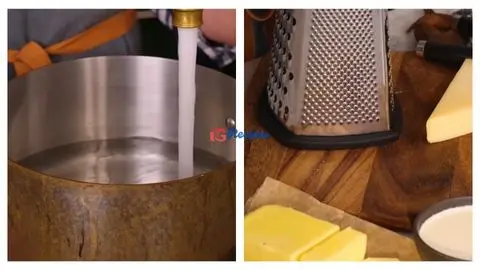
Fill a large pot with water and add 2–3 teaspoons of salt. Bring to a rolling boil over medium-high heat. Cover the pot with a lid to speed up the boiling process.
Step 2: Prep Your Ingredients
While waiting for water to boil, measure out 1 cup heavy whipping cream, grate 1 cup Parmesan cheese using a box grater or microplane, and press or mince 3–7 garlic cloves (use a garlic press for the smoothest texture and easiest preparation).
Step 3: Cook the Fettuccine
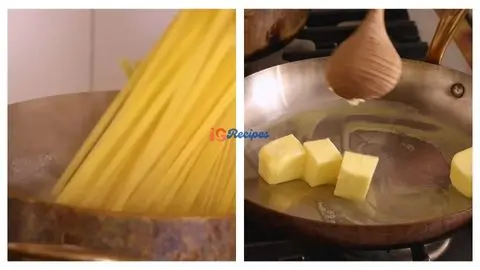
Once water is boiling vigorously, add 1 pound of fettuccine pasta. Stir immediately with tongs to prevent sticking, then stir occasionally throughout cooking. Cook until al dente according to package directions, typically 10-12 minutes. The pasta should have a slight bite to it.
Step 4: Start the Alfredo Sauce
While pasta cooks, heat a large pan over medium heat. Add ½ cup unsalted butter and let it melt completely, swirling the pan to coat the bottom evenly.
Step 5: Add the Garlic
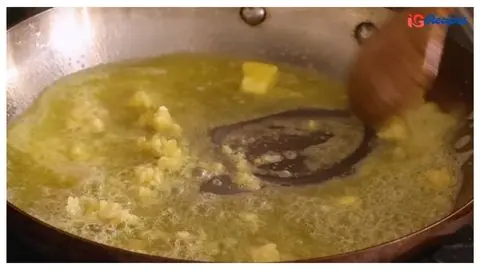
Once butter is fully melted and starting to foam, add your pressed or minced garlic. Stir constantly with a wooden spoon or silicone spatula. Cook for about 30 seconds until fragrant and lightly golden watch carefully to avoid burning, which creates bitterness.
Step 6: Incorporate the Cream
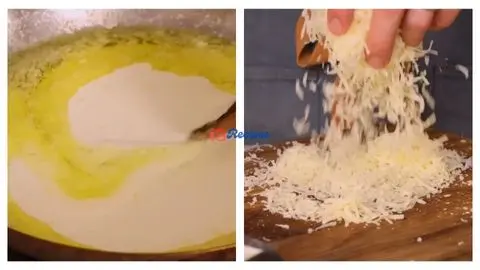
Pour in 1 cup of heavy whipping cream, stirring to combine with the garlic butter. Cook for approximately 1 minute, stirring occasionally, until the cream warms through and begins to bubble gently around the edges.
Step 7: Add the Parmesan Cheese
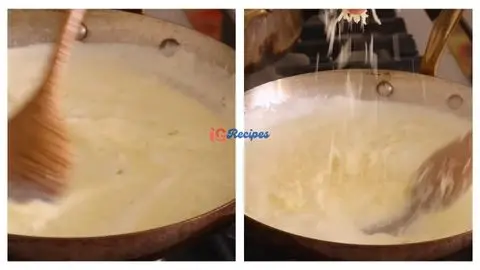
Reduce heat to medium-low. Gradually sprinkle the grated Parmesan cheese into the cream mixture while stirring constantly in a circular motion. This prevents clumping and ensures a smooth, lump-free alfredo sauce. Continue stirring until all cheese has melted and the sauce appears glossy and cohesive.
Step 8: Reserve Pasta Water
Before draining your cooked fettuccine, use a heat-resistant ladle or measuring cup to scoop out at least ¼ cup of the starchy pasta cooking water. Set aside this liquid gold will help adjust your sauce consistency.
Step 9: Combine Pasta and Sauce
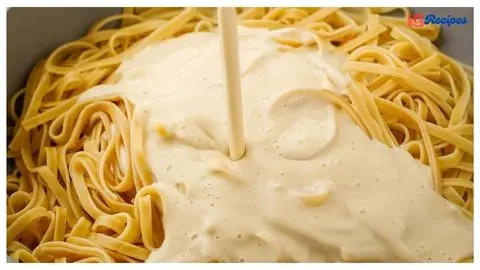
Drain the fettuccine in a colander, then immediately add it to the pan with your alfredo sauce (or transfer sauce to the pasta pot). Using tongs, toss and lift the pasta repeatedly to coat every strand evenly.
Step 10: Adjust Consistency and Serve
If your sauce seems too thick or clingy, add reserved pasta water one tablespoon at a time, tossing between additions, until you reach your desired creamy consistency. The starch in the pasta water helps the sauce adhere better while loosening it. Serve immediately while hot, garnished with extra Parmesan and fresh black pepper if desired.
Customization and Pairing Ideas for Serving
1. Protein Additions for Heartier Meals
Transform this alfredo pasta into a complete meal by adding proteins. Sautéed shrimp pairs beautifully with the creamy sauce simply season with salt, pepper, and a pinch of red pepper flakes, then cook in butter until pink. Grilled chicken breast, sliced into strips, adds lean protein without competing with the rich sauce. For an indulgent twist, crispy pancetta or bacon bits provide salty, smoky contrast. Italian sausage, crumbled and browned, brings a savory, fennel-forward flavor that complements the Parmesan.
2. Vegetable Enhancements
Lighten this recipe for fettuccine alfredo sauce by incorporating vegetables. Steamed or roasted broccoli florets add color, texture, and nutritional value. Sautéed mushrooms contribute earthy umami that deepens the sauce’s complexity. Fresh spinach wilted directly into the hot pasta provides iron and vibrant green color. Cherry tomatoes, halved and quickly warmed, offer acidic brightness that cuts through the richness. Roasted red peppers add sweetness and visual appeal.
3. Cheese Variations
While Parmesan is traditional, experimenting with cheese blends creates unique flavor profiles. Mix in Pecorino Romano for a sharper, saltier bite. Add Asiago for nutty complexity. A small amount of cream cheese or mascarpone makes the sauce even more luxurious and stable. Gorgonzola or blue cheese creates a bold, tangy version for adventurous palates. Always use freshly grated cheese rather than pre-shredded for the smoothest, most flavorful sauce.
4. Herb and Seasoning Upgrades
Fresh herbs elevate this easy fettuccine alfredo sauce beautifully. Chopped fresh parsley adds color and mild freshness. Basil brings sweet, aromatic notes perfect for summer. Fresh thyme or oregano contributes Mediterranean flair. For warmth, add a pinch of nutmeg a classic Italian secret. Red pepper flakes provide gentle heat. Lemon zest brightens the entire dish with citrus notes. Always add fresh herbs at the end to preserve their vibrant flavor.
5. Classic Family Dinner Spread
Serve Ina Garten vegetable lasagna with a fresh green salad and crusty bread. This comforting, oven-baked dish suits family meals, holiday dinners, or relaxed weekend gatherings at home.
6. Alternative Pasta Shapes
While fettuccine is classic, this homemade fettuccine alfredo sauce works wonderfully with other pasta types. Linguine offers a similar flat profile with slightly narrower strands. Penne or rigatoni capture sauce in their tubes, perfect for chunkier additions like vegetables or meat. Tortellini or ravioli make the dish even more indulgent. For a lighter option, try zucchini noodles (zoodles) or spaghetti squash, though you may want to reduce the cream slightly.
7. Crispy Creamy Pasta Plate
Fried chicken alfredo pairs beautifully with roasted vegetables and garlic bread. The contrast of crunchy chicken and rich sauce creates a filling, restaurant-style pasta experience worth serving guests.
8. Wine Pairing Suggestions
This rich alfredo recipe pairs best with wines that can stand up to its creamy, buttery profile. A crisp, unoaked Chardonnay with good acidity cuts through the richness beautifully. Italian Pinot Grigio or Soave offer lighter, refreshing counterpoints. For red wine lovers, a light-bodied Pinot Noir won’t overwhelm the delicate sauce. Prosecco’s bubbles cleanse the palate between bites. For non-alcoholic options, sparkling water with lemon or Italian lemon soda complements perfectly.
9. Complete Meal Combinations
Turn your fettuccine alfredo into an authentic Italian dinner experience with thoughtful sides. Start with a crisp Caesar salad or mixed greens with balsamic vinaigrette the acidity balances the cream. Garlic bread or warm focaccia is essential for sauce-sopping. Roasted asparagus or green beans add elegant vegetable sides. For dessert, keep it light with fresh berries or lemon sorbet to cleanse the palate. A caprese salad with fresh mozzarella, tomatoes, and basil provides a refreshing Italian-themed appetizer.
10. Warm Comfort Dinner Bowl
Enjoy Ina Garten turkey chili with cornbread, shredded cheese, and sour cream. This hearty bowl delivers bold flavor and warmth, making it ideal for cozy nights or casual group meals.
Essential Tips for Perfect Fettuccine Alfredo
1. Use Freshly Grated Parmesan Cheese
This is the single most important tip for achieving the best fettuccine alfredo sauce. Pre-shredded Parmesan contains anti-caking agents (usually cellulose or potato starch) that prevent proper melting, resulting in grainy, separated sauce. Freshly grated Parmesan from a block melts smoothly into the cream, creating that signature silky texture. Use a box grater or microplane just before cooking. Real Parmigiano-Reggiano, while pricier, delivers superior nutty flavor compared to generic parmesan. The investment absolutely transforms this dish.
2. Don’t Skimp on Garlic
While the original recipe calls for 3 cloves, using up to 7 creates a much more flavorful sauce with authentic Italian character. Garlic is essential to how to make fettuccine alfredo sauce that’s memorable rather than bland. Use a garlic press for the finest, most evenly distributed garlic that incorporates seamlessly without leaving large chunks. If you prefer milder garlic flavor, stick with 3-4 cloves. For garlic lovers, go bold with 6-7. Just watch carefully during cooking burnt garlic turns bitter and ruins the sauce.
3. Control Your Heat Carefully
Temperature control makes or breaks this alfredo sauce recipe. Keep heat at medium when melting butter and adding garlic to prevent burning. When you add the cream, maintain medium heat until it’s warm. Once you start adding Parmesan, reduce to medium-low excessive heat causes the cheese proteins to seize and separate, creating an oily, grainy texture instead of creamy smoothness. Patience is key. If sauce breaks (becomes greasy or grainy), it’s usually because heat was too high when cheese was added.
4. Reserve More Pasta Water Than You Think
That starchy pasta cooking water is your secret weapon for perfect sauce consistency. Always reserve at least ¼ cup, but ½ cup is even better. The starch acts as a natural emulsifier, helping fat and water stay blended while loosening thick sauce. Add it gradually just a tablespoon at a time tossing between additions. This creates restaurant-quality fettuccine alfredo with sauce that clings to pasta rather than pooling at the bottom. If you forget to reserve water before draining, your sauce options become limited.
5. Work Quickly and Serve Immediately
Alfredo sauce waits for no one. This fettuccine alfredo sauce recipe is best enjoyed the moment it’s made. As the sauce cools, the butter and cheese begin to solidify, making it thick and less appealing. Have your serving bowls or plates ready. Toss pasta and sauce together right before serving. If you need a few extra minutes, keep the pan on the lowest heat setting and add splashes of pasta water to maintain the silky consistency. Alfredo doesn’t hold well, which is why restaurants make it to order.
6. Consider Using Room Temperature Ingredients
For the silkiest sauce, take your butter and heavy cream out of the refrigerator 20-30 minutes before cooking. Room temperature cream incorporates more smoothly into the butter without shocking the temperature and causing the sauce to separate. Room temperature butter melts more evenly. While not absolutely essential for this easy fettuccine alfredo sauce, this professional chef technique improves texture consistency. It’s especially helpful if you’re nervous about sauce-making or have had separation issues before.
7. Cook Pasta Al Dente
Properly cooked pasta is crucial to this homemade fettuccine alfredo sauce recipe. Al dente means “to the tooth” in Italian pasta should have a slight resistance when bitten, not mushy softness. Overcooked pasta releases too much starch, becomes waterlogged, and can’t properly absorb sauce. It also continues cooking slightly when tossed with hot alfredo sauce. Test pasta 1-2 minutes before the package’s recommended time. It should be tender but still have a firm center. Remember, you can always cook it more, but you can’t reverse overcooked pasta.
Storage and Reheating Guidance
Store leftover fettuccine alfredo in an airtight container in the refrigerator for up to 3 days. Reheat gently on the stovetop over low heat, adding 2-3 tablespoons of milk, cream, or pasta water while stirring constantly to restore creaminess. Microwave reheating works but may dry out the sauce add liquid and use 50% power in 30-second intervals.
Ina Garten Fettuccine Alfredo Sauce Recipe
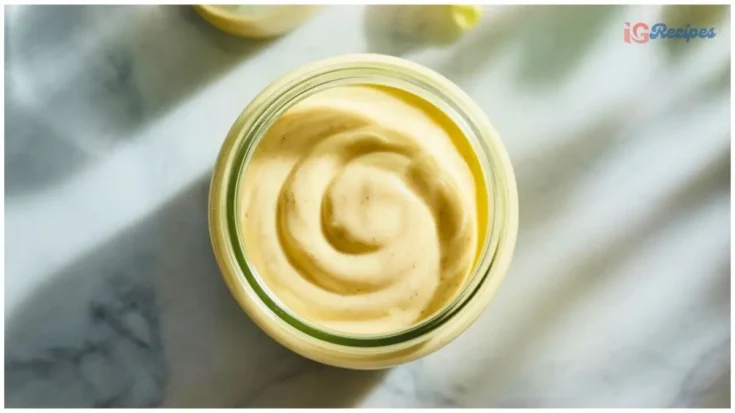
There’s something absolutely magical about twirling silky fettuccine coated in a luxurious, buttery alfredo sauce. This copycat Ina Garten fettuccine alfredo sauce recipe brings restaurant-quality Italian comfort right to your dinner table.
Ingredients
- 1 pound (454g) fettuccine pasta
- 2–3 teaspoons salt (for pasta water)
- ½ cup (113g) unsalted butter (salted butter works too)
- 3–7 garlic cloves, pressed or minced
- 1 cup (240ml) heavy whipping cream
- 1 cup (113g) freshly grated Parmesan cheese, plus extra for serving
- At least ¼ cup reserved pasta cooking water
- Sautéed shrimp, grilled chicken, or crispy pancetta
- Fresh parsley for garnish
- Black pepper to taste
- Side salad
Instructions
Step 1: Prepare the Pasta Water
Fill a large pot with water and add 2–3 teaspoons of salt. Bring to a rolling boil over medium-high heat. Cover the pot with a lid to speed up the boiling process.
Step 2: Prep Your Ingredients
While waiting for water to boil, measure out 1 cup heavy whipping cream, grate 1 cup Parmesan cheese using a box grater or microplane, and press or mince 3–7 garlic cloves (use a garlic press for the smoothest texture and easiest preparation).
Step 3: Cook the Fettuccine
Once water is boiling vigorously, add 1 pound of fettuccine pasta. Stir immediately with tongs to prevent sticking, then stir occasionally throughout cooking. Cook until al dente according to package directions, typically 10-12 minutes. The pasta should have a slight bite to it.
Step 4: Start the Alfredo Sauce
While pasta cooks, heat a large pan over medium heat. Add ½ cup unsalted butter and let it melt completely, swirling the pan to coat the bottom evenly.
Step 5: Add the Garlic
Once butter is fully melted and starting to foam, add your pressed or minced garlic. Stir constantly with a wooden spoon or silicone spatula. Cook for about 30 seconds until fragrant and lightly golden watch carefully to avoid burning, which creates bitterness.
Step 6: Incorporate the Cream
Pour in 1 cup of heavy whipping cream, stirring to combine with the garlic butter. Cook for approximately 1 minute, stirring occasionally, until the cream warms through and begins to bubble gently around the edges.
Step 7: Add the Parmesan Cheese
Reduce heat to medium-low. Gradually sprinkle the grated Parmesan cheese into the cream mixture while stirring constantly in a circular motion. This prevents clumping and ensures a smooth, lump-free alfredo sauce. Continue stirring until all cheese has melted and the sauce appears glossy and cohesive.
Step 8: Reserve Pasta Water
Before draining your cooked fettuccine, use a heat-resistant ladle or measuring cup to scoop out at least ¼ cup of the starchy pasta cooking water. Set aside this liquid gold will help adjust your sauce consistency.
Step 9: Combine Pasta and Sauce
Drain the fettuccine in a colander, then immediately add it to the pan with your alfredo sauce (or transfer sauce to the pasta pot). Using tongs, toss and lift the pasta repeatedly to coat every strand evenly.
Step 10: Adjust Consistency and Serve
If your sauce seems too thick or clingy, add reserved pasta water one tablespoon at a time, tossing between additions, until you reach your desired creamy consistency. The starch in the pasta water helps the sauce adhere better while loosening it. Serve immediately while hot, garnished with extra Parmesan and fresh black pepper if desired.
Notes
Store leftover fettuccine alfredo in an airtight container in the refrigerator for up to 3 days. Reheat gently on the stovetop over low heat, adding 2-3 tablespoons of milk, cream, or pasta water while stirring constantly to restore creaminess. Microwave reheating works but may dry out the sauce add liquid and use 50% power in 30-second intervals.
Nutrition Information:
Yield:
4Serving Size:
1Amount Per Serving: Calories: 100
Common Queries and FAQs
Here, we’ve got you covered with some common questions about the Ina Garten Fettuccine Alfredo Sauce Recipe that people often ask.
Can I use milk instead of heavy cream for alfredo sauce?
While possible, milk won’t create the same rich, thick texture as heavy cream. Whole milk is better than skim, but the sauce will be thinner and less luxurious. If you must substitute, use whole milk and add a tablespoon of flour or cornstarch mixed with a little milk to help thicken it. For better results, try half-and-half as a compromise between milk and heavy cream.
Why did my alfredo sauce separate or become grainy?
Separation and graininess happen when cheese is added to sauce that’s too hot or heat is too high. High temperatures cause cheese proteins to clump rather than melt smoothly. Always reduce heat to medium-low before adding Parmesan, and add it gradually while stirring constantly. Using pre-shredded cheese with anti-caking agents also causes graininess. Only use freshly grated Parmesan from a block for smooth results.
Can I make alfredo sauce ahead of time?
This sauce is best made fresh, but you can prep components ahead. Grate the Parmesan, press the garlic, and measure the cream several hours in advance. You can make the sauce up to 30 minutes ahead and keep it warm on the lowest heat setting, stirring occasionally and adding pasta water to maintain consistency. For longer storage, refrigerate and plan to reheat with additional liquid. The texture won’t be quite as perfect as fresh.
What’s the difference between Ina Garten’s alfredo and traditional Roman alfredo?
Traditional Roman fettuccine alfredo (Fettuccine al Burro) contains only butter, Parmesan, and pasta water no cream or garlic. It relies on vigorous tossing to emulsify butter and pasta water into a creamy sauce. The American version popularized by restaurants adds heavy cream for richness and garlic for flavor, making it more indulgent and easier to prepare successfully at home. Both are delicious but represent different culinary traditions.
Can I freeze fettuccine alfredo sauce?
Freezing isn’t recommended because cream-based sauces typically separate when thawed, becoming grainy and unappetizing. The emulsion breaks down during freezing and thawing. If you must freeze it, do so for up to 2 months in an airtight container. Thaw in the refrigerator overnight, then reheat very gently over low heat, whisking constantly and adding fresh cream to try to bring it back together. Fresh is always vastly superior.
What type of Parmesan cheese should I buy?
Look for authentic Parmigiano-Reggiano with the distinctive stamp on the rind. This Italian cheese has protected designation of origin status and superior flavor nutty, complex, and slightly sweet. Grana Padano is a good alternative that’s often less expensive. Avoid domestic “parmesan” in the green canister at all costs it contains cellulose filler and lacks real flavor. Buy a wedge and grate it yourself for the absolute best results in this sauce.
How can I make alfredo sauce healthier without sacrificing too much flavor?
Use half-and-half instead of heavy cream to reduce calories and fat (though texture will be thinner). Increase the Parmesan slightly to compensate for flavor loss. Use whole wheat or protein-enriched pasta for added nutrition. Add vegetables like broccoli, spinach, or peas to increase fiber and vitamins. Consider using less butter (⅓ cup instead of ½ cup). Greek yogurt can replace some cream, though add it off heat to prevent curdling. These modifications create a lighter version while maintaining decent flavor.
Why is my alfredo sauce too thin/watery?
Thin sauce results from too much liquid or not enough cheese. First, make sure you’re using heavy whipping cream (36-40% fat), not light cream or half-and-half. Second, ensure you’re using a full cup of Parmesan skimping creates thin sauce. If your sauce is already too thin, simmer it gently for 2-3 minutes to evaporate excess liquid, or add more grated Parmesan. The reserved starchy pasta water thickens as well as thins, so try adding a tablespoon or two if sauce is very thin.
Can I use salted butter instead of unsalted?
Yes, salted butter works fine in this recipe. Parmesan cheese is already quite salty, so using salted butter means your dish will be saltier overall. If using salted butter, reduce or omit additional salt from the pasta water and taste before adding any salt to the finished sauce. Most professional recipes call for unsalted butter because it gives you complete control over seasoning, but salted butter won’t ruin the dish just adjust accordingly.
What can I serve with fettuccine alfredo to make a complete meal?
Alfredo is rich and heavy, so balance it with lighter, acidic, or fresh sides. A crisp green salad with vinaigrette cuts through the richness beautifully. Garlic bread is classic for soaking up extra sauce. Steamed or roasted vegetables like broccoli, asparagus, or green beans add color and nutrition. Grilled or roasted protein (chicken, shrimp, salmon) makes it a complete entrée. A light white wine or sparkling water with lemon helps cleanse the palate between bites.
How do I prevent pasta from sticking together while cooking?
Use plenty of water at least 4-6 quarts for a pound of pasta. Salt the water generously (it should taste like the sea). Stir pasta immediately when you add it to boiling water, then stir occasionally throughout cooking. Don’t add oil to the water it prevents sauce from adhering later. Make sure water is at a rolling boil before adding pasta. If pasta sticks after draining, it sat too long always sauce pasta immediately after draining for best results.
Can I substitute other types of pasta for fettuccine?
Absolutely. Linguine is most similar flat and long like fettuccine but slightly narrower. Pappardelle is wider and works beautifully. Tagliatelle is nearly identical. Short pasta like penne, rigatoni, or farfalle also works, though the eating experience differs these shapes capture sauce in their grooves and tubes. For low-carb options, try shirataki noodles or zucchini noodles, though you may want to reduce the cream slightly since these don’t absorb sauce like wheat pasta does.
This copycat Ina Garten fettuccine alfredo sauce recipe proves that restaurant-quality Italian comfort food is absolutely achievable at home with simple, quality ingredients. The combination of butter, heavy cream, fresh Parmesan, and aromatic garlic creates a luxuriously creamy sauce that clings to every strand of pasta.
Whether you’re serving it as-is for a quick weeknight dinner or dressing it up with proteins and vegetables for special occasions, this recipe for fettuccine alfredo sauce delivers consistent, crowd-pleasing results. Give it a try tonight and experience the magic of homemade alfredo!
You can also follow us on Pinterest, and YouTube for more delicious updates and kitchen inspiration. Your feedback and support mean the world to us!