
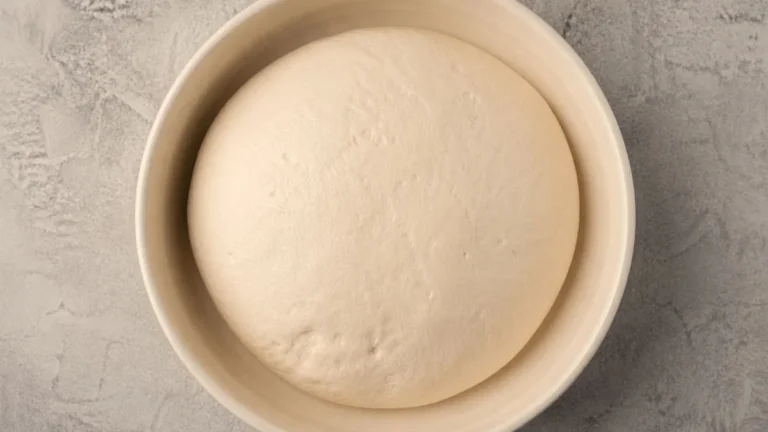

Ever bitten into a Round Table Pizza and wondered how they get that perfectly chewy, golden, slightly crisp crust? You’re not alone. This copycat Round Table pizza dough recipe brings that legendary pizzeria experience straight into your kitchen.
The secret isn’t complicated equipment or professional ovens. It’s the process – specifically, a slow cold fermentation that develops deep, complex flavor and those signature airy bubbles, making it perfect for Viral pizza dough lovers and anyone craving a rich, indulgent bavarian cream pizza experience.
With just five pantry staples, this pizza dough recipe delivers an authentic, restaurant-quality crust that holds up beautifully to any topping. Whether you’re a seasoned home baker or making homemade pizza for the first time, this recipe is your new go-to.
What Does It Taste Like?
This dough bakes into a crust that’s wonderfully complex – mildly tangy from the long cold fermentation, with a subtly sweet undertone from the honey.

The outer edge puffs into a golden, lightly crisp rim, while the base stays tender and chewy – never dense, never cracker-dry. Think of it as the perfect middle ground between a thin-crust and a classic hand-tossed pizza.
The crumb has an open, airy texture with small bubbles throughout, giving every bite a satisfying pull. It’s the kind of crust that doesn’t compete with your toppings – it completes them.
Round Table Pizza Dough Ingredients
(Makes 2 pizza crusts – 10 to 12-inch each)
- 1¼ cups warm water (105–110°F / 40–43°C)
- ½ tablespoon fine sea salt
- 1 teaspoon honey
- ½ teaspoon active dry yeast
- 3⅓ cups (420 grams) all-purpose flour
- Olive oil (light, for lightly oiling the bowls)
Kitchen Utensils You’ll Need
- Large mixing bowl
- Measuring cups and spoons
- Kitchen thermometer (to check water temperature)
- Firm spatula or wooden spoon
- Plastic wrap
- Two small bowls (for cold fermentation)
- Pizza stone
- Pizza peel
- Cutting board
- Sharp pizza cutter or knife
Preparation & Cooking Time
- Prep Time: 20 minutes
- Rise Time (Room Temp): 4–5 hours
- Cold Fermentation: 24 hours minimum (up to 5 days)
- Bake Time: 8–10 minutes
- Servings: 2 pizzas (10–12 inch each)
How to Make Round Table Pizza Dough – Step-by-Step Instructions
Step 1: Activate the Yeast
In a measuring cup or small bowl, combine warm water (105–110°F), fine sea salt, and honey. Stir until the salt and honey are fully dissolved.
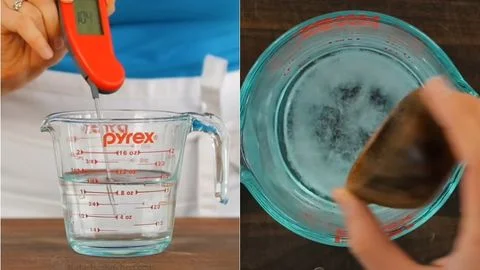
Sprinkle the active dry yeast over the top, stir gently, and let it sit for about 5 minutes until foamy and activated.
Step 2: Combine Wet and Dry Ingredients
Place 3⅓ cups (420g) all-purpose flour in a large mixing bowl and create a well in the center.
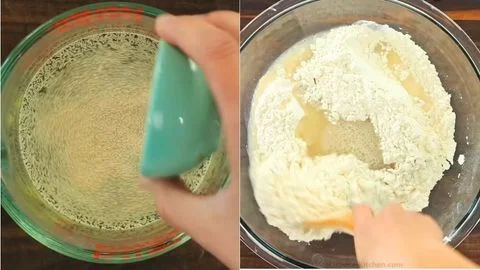
Give the yeast mixture a quick stir, then pour it into the well. Use a firm spatula to stir until the wet and dry ingredients are fully combined.
Step 3: Knead the Dough
Knead the dough by hand for about 2 minutes, just until no streaks of flour remain and the dough is well blended. It will be sticky but should barely cling to clean, dry fingertips. Do not over-knead.
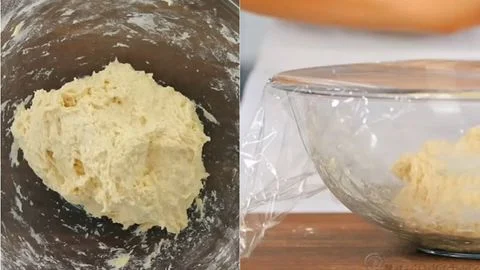
Step 4: First Rise (Room Temperature)
Cover the bowl tightly with plastic wrap to prevent a skin from forming. Let the dough rise at room temperature for 4–5 hours, or until it has doubled in size. Keep the temperature below 110°F throughout.
Step 5: Shape into Dough Balls
Once doubled, generously flour your work surface and scrape the dough out. Lightly flour the dough and divide it into two equal portions.
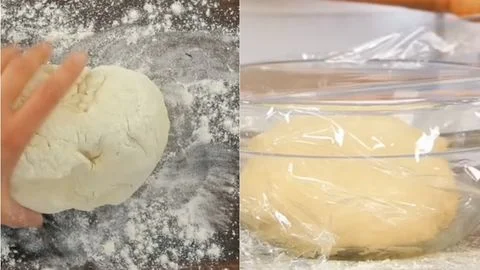
For each piece, fold the edges into the center 8 times (turning the dough after each fold), then seal the edges at the bottom to form a smooth, tight ball. Keep hands lightly floured to prevent sticking.
Step 6: Cold Fermentation (24 Hours–5 Days)
Lightly oil two bowls with olive oil. Place each dough ball seam-side down into a bowl. Cover tightly with plastic wrap and refrigerate for at least 24 hours and up to 5 days. This cold fermentation stage is what develops Round Table’s signature flavor and airy bubbles.
Step 7: Bring to Room Temperature
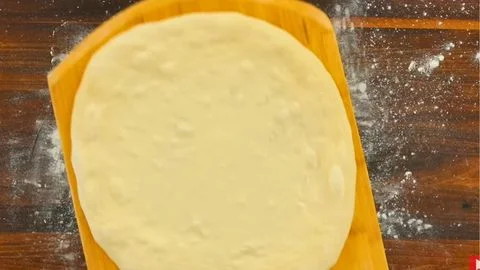
About 1 hour before baking, remove the dough from the refrigerator and let it come to room temperature. This step is essential for easy stretching.
Step 8: Preheat Your Oven
Place a pizza stone in the center of the oven and preheat to 550°F (290°C). Make sure the oven is fully preheated before baking – this is key to a properly crisped crust.
Step 9: Stretch the Dough
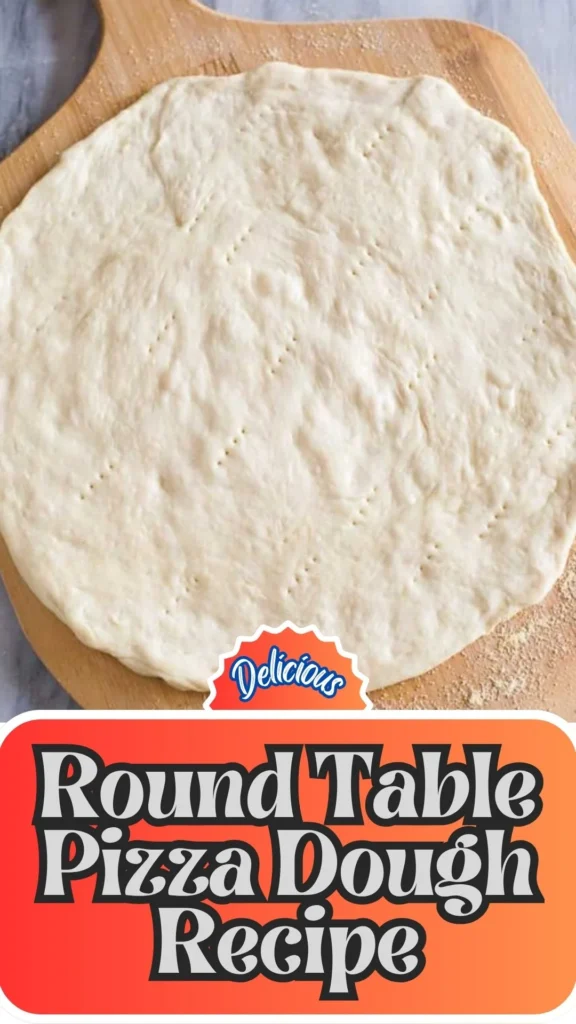
Transfer one room-temperature dough ball to a well-floured work surface. Gently press the center with your fingertips, then lift and stretch the dough by rolling it over your knuckles, leaving a thicker 1-inch rim for the crust. Aim for a 10–12 inch circle.
Step 10: Top and Bake
Place the stretched dough onto a floured pizza peel. Shake gently to make sure it slides freely. Add your desired toppings – sauce and shredded mozzarella for a classic cheese pizza.
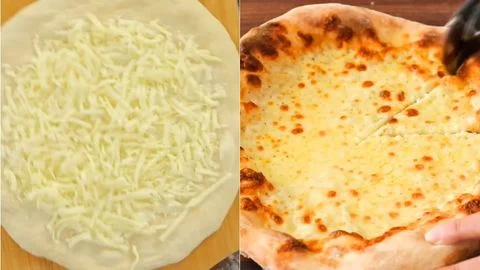
Give the peel one final shake, then slide the pizza onto the hot stone. Bake at 550°F for 8–10 minutes, until the crust is puffed and golden-brown and the cheese is bubbling.
Step 11: Rest and Serve
Transfer the baked pizza to a cutting board, let it cool for 2–3 minutes, slice, and serve.
Customization and Pairing Ideas for Serving
This copycat Round Table pizza dough recipe
is incredibly versatile. Once you’ve mastered the base, here are seven delicious ways to customize and serve it:
1. Classic Cheese Pizza
Keep it simple with a good-quality crushed tomato sauce and a generous layer of whole-milk, low-moisture mozzarella. The clean canvas lets the dough’s fermented flavor truly shine, making it the perfect gateway pizza for first-timers.
2. Garlic Chicken Gourmet (Round Table Inspired)
Top your stretched dough with garlic white sauce, grilled chicken strips, roasted garlic cloves, and a blend of mozzarella and provolone. Finish with a pinch of dried oregano. It’s a rich, savory combination that feels every bit as indulgent as the restaurant original.
3. Veggie Delight
Load your pizza with sliced bell peppers, red onion, black olives, mushrooms, and baby spinach over a tomato base. The dough’s chewy texture holds up beautifully to wetter vegetables without going soggy.
4. BBQ Pulled Pork Pizza
Swap the tomato sauce for a smoky barbecue sauce, then layer on pulled pork, thinly sliced red onion, and a mix of mozzarella and smoked gouda. The slight tang from the fermented dough pairs brilliantly with the sweetness of barbecue.
5. Breakfast Pizza
Top the dough with a thin layer of cream cheese or white gravy, crumbled cooked sausage, scrambled eggs, shredded cheddar, and chives. Bake as directed. This one turns your copycat Round Table pizza dough into a weekend morning showstopper.
6. Margherita with Fresh Basil
For a Neapolitan-style finish, top with San Marzano tomato sauce, fresh mozzarella slices, and a drizzle of extra-virgin olive oil. Add fresh basil leaves right after the pizza comes out of the oven to keep them vibrant and fragrant.
7. Pair It with a Side Salad
Serve any variation alongside a crisp Caesar salad, a simple arugula salad with lemon vinaigrette, or classic garlic breadsticks made from leftover dough trimmings. The richness of the pizza balances perfectly with something light and acidic on the side.
Expert Tips for the Best Round Table Pizza Dough
Mastering this homemade Round Table pizza dough comes down to a few key techniques. Keep these tips in mind every single time you make it:
1. Always Check Your Water Temperature
This is the most critical step when working with active dry yeast. Water that is too cold (below 100°F) won’t properly activate the yeast, and water that’s too hot (above 115°F) will kill it completely. Use a kitchen thermometer to confirm you’re in the 105–110°F sweet spot every time. No thermometer? The water should feel warm – not hot – on your wrist.
2. Don’t Rush the Cold Fermentation
The 24-hour minimum refrigeration is non-negotiable if you want that true Round Table flavor. But if you can wait 48–72 hours, do it. The longer the cold ferment, the more complex and developed the flavor becomes. Plan ahead and you’ll be rewarded with a noticeably superior crust.
3. Use a Pizza Stone (Not a Baking Sheet)
A pizza stone retains and radiates intense, even heat – mimicking the deck ovens used in professional pizzerias. Without it, your crust won’t develop the same crispness and oven-spring. Preheat it inside the oven for at least 45–60 minutes before baking.
4. Flour Your Pizza Peel Generously
A pizza that sticks to the peel mid-transfer is a nightmare. Use a generous dusting of flour or fine cornmeal on the peel before placing your stretched dough. Always do a test shake before adding toppings to confirm the dough slides freely.
5. Resist Over-Flouring the Dough
It’s tempting to keep adding flour when the dough feels sticky, but resist. This dough is intentionally sticky. Too much flour will make the crust dense and dry rather than light and chewy. Trust the process and keep your hands lightly floured – not the dough itself.
6. Let the Dough Rest After Refrigeration
Removing the dough from the fridge and stretching it immediately is a common mistake. Cold dough is tight and will tear or spring back rather than stretch easily. Give it a full hour at room temperature – this relaxes the gluten and makes shaping effortless.
7. Weigh Your Flour for Accuracy
Cup measurements for flour can vary by up to 20% depending on how you scoop. For consistent results every time, weigh your flour using a kitchen scale. The recipe calls for exactly 420 grams – a precise measurement that ensures the right dough hydration and texture.
Storage and Reheating Guidance
Refrigerator: Store uncooked dough balls (wrapped tightly) for up to 5 days. Baked pizza keeps refrigerated for up to 3 days. Freezer: Freeze dough balls in airtight bags for up to 3 months. Thaw overnight in the refrigerator. Reheating: Reheat baked pizza slices on a pizza stone or dry skillet over medium heat for 3–4 minutes for a crispy crust – never microwave if you want to preserve texture.
Round Table Pizza Dough Recipe
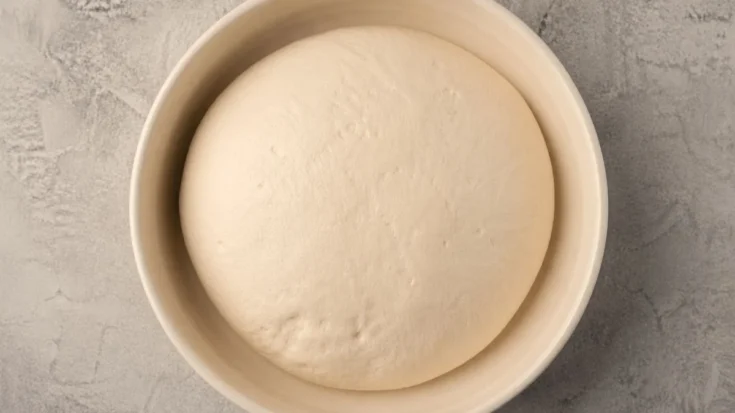
Ever bitten into a Round Table Pizza and wondered how they get that perfectly chewy, golden, slightly crisp crust? You’re not alone. This copycat Round Table pizza dough recipe brings that legendary pizzeria experience straight into your kitchen. The secret isn’t complicated equipment or professional ovens. It’s the process – specifically, a slow cold fermentation that develops deep, complex flavor and those signature airy bubbles.
Ingredients
- 1¼ cups warm water, 105–110°F / 40–43°C
- ½ tablespoon fine sea salt
- 1 teaspoon honey
- ½ teaspoon active dry yeast
- 3⅓ cups 420 grams all-purpose flour
- Olive oil, light, for lightly oiling the bowls
Instructions
Step 1: Activate the Yeast
In a measuring cup or small bowl, combine warm water (105–110°F), fine sea salt, and honey. Stir until the salt and honey are fully dissolved. Sprinkle the active dry yeast over the top, stir gently, and let it sit for about 5 minutes until foamy and activated.Step 2: Combine Wet and Dry Ingredients
Place 3⅓ cups (420g) all-purpose flour in a large mixing bowl and create a well in the center. Give the yeast mixture a quick stir, then pour it into the well. Use a firm spatula to stir until the wet and dry ingredients are fully combined.Step 3: Knead the Dough
Knead the dough by hand for about 2 minutes, just until no streaks of flour remain and the dough is well blended. It will be sticky but should barely cling to clean, dry fingertips. Do not over-knead.Step 4: First Rise (Room Temperature)
Cover the bowl tightly with plastic wrap to prevent a skin from forming. Let the dough rise at room temperature for 4–5 hours, or until it has doubled in size. Keep the temperature below 110°F throughout.Step 5: Shape into Dough Balls
Once doubled, generously flour your work surface and scrape the dough out. Lightly flour the dough and divide it into two equal portions. For each piece, fold the edges into the center 8 times (turning the dough after each fold), then seal the edges at the bottom to form a smooth, tight ball. Keep hands lightly floured to prevent sticking.Step 6: Cold Fermentation (24 Hours–5 Days)
Lightly oil two bowls with olive oil. Place each dough ball seam-side down into a bowl. Cover tightly with plastic wrap and refrigerate for at least 24 hours and up to 5 days. This cold fermentation stage is what develops Round Table’s signature flavor and airy bubbles.Step 7: Bring to Room Temperature
About 1 hour before baking, remove the dough from the refrigerator and let it come to room temperature. This step is essential for easy stretching.Step 8: Preheat Your Oven
Place a pizza stone in the center of the oven and preheat to 550°F (290°C). Make sure the oven is fully preheated before baking – this is key to a properly crisped crust.Step 9: Stretch the Dough
Transfer one room-temperature dough ball to a well-floured work surface. Gently press the center with your fingertips, then lift and stretch the dough by rolling it over your knuckles, leaving a thicker 1-inch rim for the crust. Aim for a 10–12 inch circle.Step 10: Top and Bake
Place the stretched dough onto a floured pizza peel. Shake gently to make sure it slides freely. Add your desired toppings – sauce and shredded mozzarella for a classic cheese pizza. Give the peel one final shake, then slide the pizza onto the hot stone. Bake at 550°F for 8–10 minutes, until the crust is puffed and golden-brown and the cheese is bubbling.Step 11: Rest and Serve
Transfer the baked pizza to a cutting board, let it cool for 2–3 minutes, slice, and serve.
Notes
Refrigerator: Store uncooked dough balls (wrapped tightly) for up to 5 days. Baked pizza keeps refrigerated for up to 3 days. Freezer: Freeze dough balls in airtight bags for up to 3 months. Thaw overnight in the refrigerator. Reheating: Reheat baked pizza slices on a pizza stone or dry skillet over medium heat for 3–4 minutes for a crispy crust – never microwave if you want to preserve texture.
Nutrition Information:
Yield:
6Serving Size:
1Amount Per Serving: Calories: 150Unsaturated Fat: 0g
Common Queries & FAQs
Here, we’ve got you covered with some common questions about the Round Table Pizza Dough Recipe that people often ask.
What makes Round Table pizza dough different from regular pizza dough?
Round Table pizza dough is defined by its extended cold fermentation process – typically 24 hours or longer in the refrigerator. This slow rise develops a deeper, more complex flavor with mild tanginess and creates an airy, bubble-filled crumb that you simply can’t achieve with a quick same-day dough. The low yeast quantity also slows fermentation intentionally, which is key to the recipe’s character.
Can I use instant yeast instead of active dry yeast?
Yes, you can substitute instant yeast (also called rapid-rise yeast) in the same quantity. The main difference is that instant yeast doesn’t need to be proofed in water first – you can add it directly to the flour. However, active dry yeast, when properly proofed, gives you a reliable visual cue (foaminess) that your yeast is alive and active, which is helpful for beginner bakers.
Why is my pizza dough so sticky?
This dough is designed to be sticky – that’s a sign of the correct hydration level. A stickier dough produces a lighter, more open crumb once baked. If the dough is unworkably sticky (sticks to everything even with floured hands), you can add flour one tablespoon at a time, but do so sparingly. Resist the urge to add too much or you’ll sacrifice texture.
Can I skip the cold fermentation and bake the same day?
Technically yes – after the 4–5 hour room temperature rise, the dough is technically ready to use. However, skipping cold fermentation means skipping the flavor development stage entirely. Your crust will be noticeably blander and less complex. For a true copycat Round Table pizza dough, the cold ferment is what makes the difference.
What flour is best for Round Table pizza dough?
All-purpose flour (420 grams) works perfectly for this recipe and produces a great balance of chewiness and tenderness. If you want a slightly chewier, more artisan-style crust, you can substitute bread flour (which has higher protein content) in the same quantity. Avoid cake flour or self-rising flour – neither will produce the right texture.
Can I make the dough in a stand mixer?
Yes. Use the dough hook attachment and mix on low speed for 2–3 minutes until the dough comes together. Since this dough only requires minimal kneading (about 2 minutes by hand), a stand mixer isn’t necessary – but it works well if you prefer it.
How do I know when the dough has doubled in size?
The easiest method is to place the dough in a straight-sided container and mark the starting level with a rubber band or piece of tape. When the dough reaches double that mark, it’s ready. Alternatively, lightly press two fingers about half an inch into the dough – if the indent slowly springs back halfway, it’s properly proofed.
My pizza stuck to the peel. What went wrong?
The two most common causes are insufficient flour on the peel and waiting too long after topping the pizza before sliding it into the oven. Always flour your peel generously (or use cornmeal), work quickly once toppings are added, and always do a test shake before the pizza goes anywhere near the oven.
This round table pizza dough recipe proves that restaurant-quality pizza is absolutely achievable at home – with the right ingredients, the right technique, and a little patience. The cold fermentation is the game-changer, transforming a handful of pantry staples into a deeply flavorful, chewy, golden crust that rivals any pizzeria.
Whether you top it with classic cheese, garlic chicken, or your own creative combination, this dough delivers every single time. Make a batch this weekend, and don’t be surprised when it becomes a permanent part of your regular dinner rotation. Happy pizza making!
You can also follow us on Pinterest, and YouTube for more delicious updates and kitchen inspiration. Your feedback and support mean the world to us!